We walk on it, build on it, grow food in it, and rarely think twice about it. Yet beneath the surface of every forest, desert, grassland, or backyard lies one of the most complex and essential ecosystems on Earth — soil.
It is not dirt. It is not waste. It is a living universe, home to more organisms than there are stars in the Milky Way.
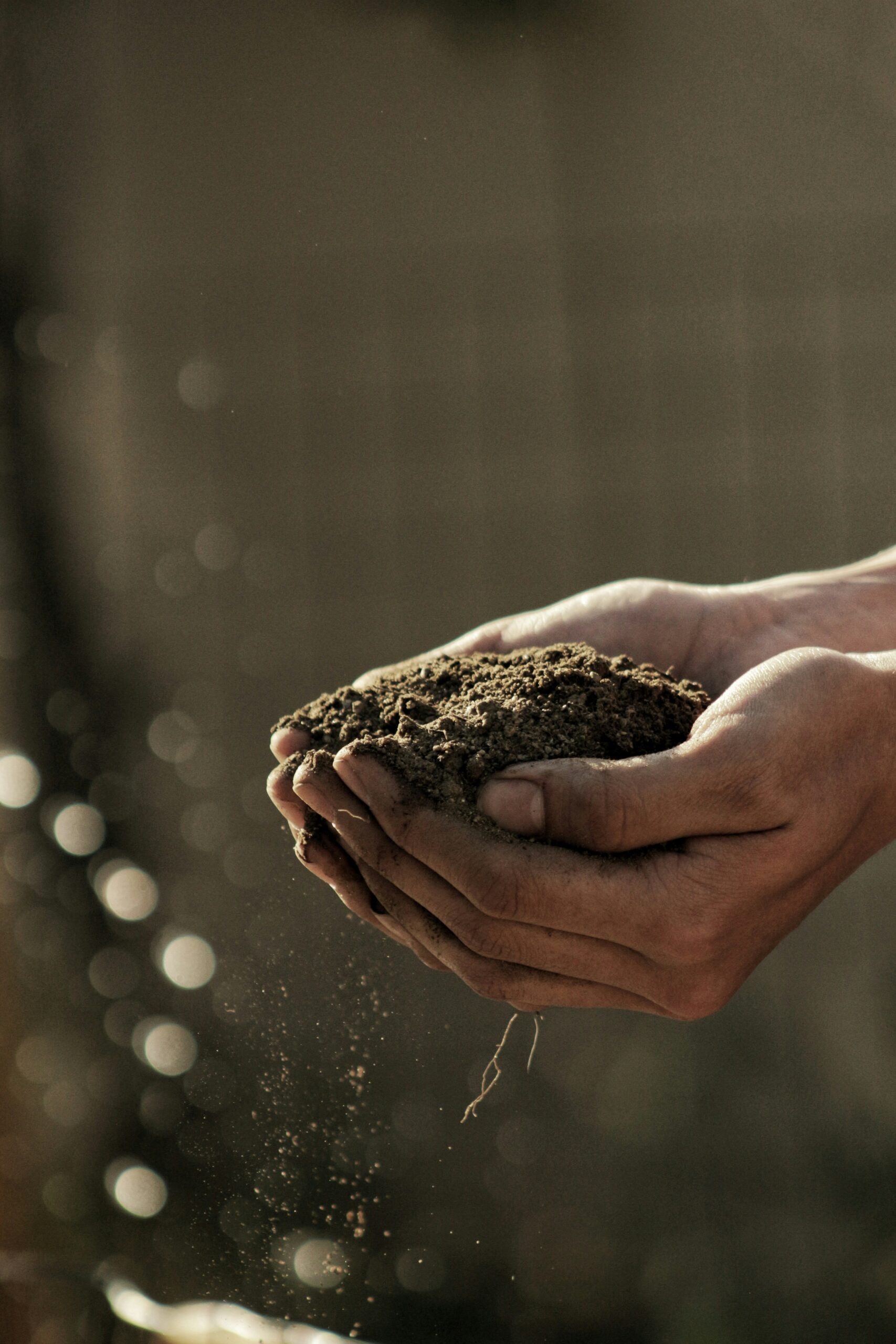
A single handful of healthy soil contains millions of bacteria, thousands of fungal species, hundreds of microscopic animals, a labyrinth of roots, and an entire food web locked in constant interaction. Soil stores carbon, recycles nutrients, filters water, sustains crops, and sustains life itself.
But what truly makes soil extraordinary is not just what it does — it’s what it is: a planet beneath a planet, a hidden world humming with activity every second of every day.
Let’s explore this underground universe, meet its inhabitants, and understand why the future of life above ground depends entirely on the life below.
What is Soil, Really?
Soil is far more than ground-up rock or decomposed leaves. It is a dynamic mixture of: • Minerals • Organic matter • Air • Water • Living organisms
These components vary across ecosystems, creating sandy deserts, clay-heavy wetlands, deep prairie soils, and thin alpine layers. Soil develops over thousands — sometimes millions — of years as rock breaks down, plants grow and die, fungi digest material, and animals burrow through layers.
Soil scientists refer to soil as a “biogeochemical reactor” because it hosts chemical reactions powered by living organisms. Everything cycles — nutrients, carbon, nitrogen, water — turning lifeless material into the foundation of biodiversity.
Soil is not a substance. It is a system.
The Microbial Metropolis Beneath Our Feet
When scientists talk about the “hidden life of soil,” microorganisms are the heart of the story. They are invisible to the naked eye, but they are responsible for nearly every ecological function soil performs.
1. Bacteria: The Chemical Engineers
Bacteria are the most abundant soil organisms, performing essential tasks such as: • Breaking down organic matter • Fixing nitrogen from the atmosphere • Detoxifying pollutants • Cycling nutrients plants need to grow
Some bacteria even form protective coatings around plant roots, helping them tolerate drought, disease, and pests. In many ways, bacteria are the architects of soil fertility.
2. Fungi: The Underground Web
Fungi in soil include decomposers, pathogens, and symbiotic fungi called mycorrhizae. Mycorrhizal fungi form networks that connect plant roots — sometimes across entire forests.
They: • Transport water and nutrients between trees • Share chemical signals • Warn neighboring plants of insect attacks • Store carbon in underground structures
This network is often called the “wood-wide web.” Without fungi, forests as we know them would not exist.
3. Archaea: Life’s Ancient Chemists
Archaea are similar to bacteria but are often better at surviving extreme environments. In soil, they play crucial roles in nitrogen cycling and methane regulation.
4. Protists: Microbial Predators
Protists help control bacterial populations and release nutrients back into the soil. They are tiny but fierce hunters in the soil food web.
Together, microorganisms make up the engine of the underground ecosystem.
Soil Creatures You Can See – and Some You Can’t Forget
Beyond microbes, soil is crawling, slithering, burrowing, and wriggling with life large enough to see — if you know where to look.
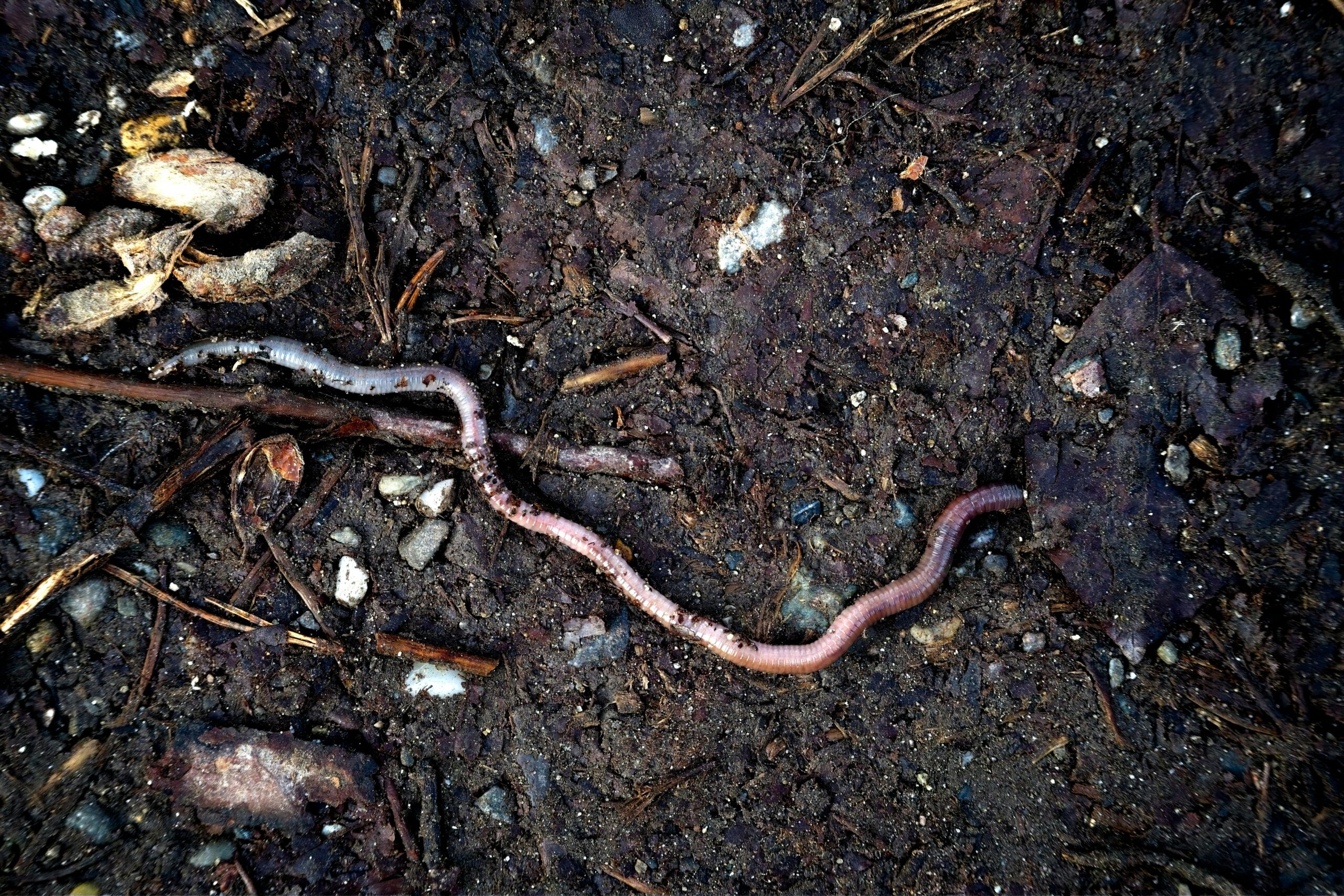
Earthworms: Nature’s Tillers
Earthworms eat soil and organic matter, grinding it in their muscular gizzards and releasing nutrient-rich castings. This process: • Improves soil structure • Increases water infiltration • Boosts fertility • Aerates compacted ground
Charles Darwin spent 40 years studying earthworms and concluded they were among the most important animals on Earth.
Ants and Termites: Architects of the Underground
Ants and termites create massive networks of tunnels and chambers. These structures: • Improve air and water movement • Mix soil layers • Redistribute nutrients • Create hotspots of biodiversity
Termite mounds can last centuries and alter entire landscapes.
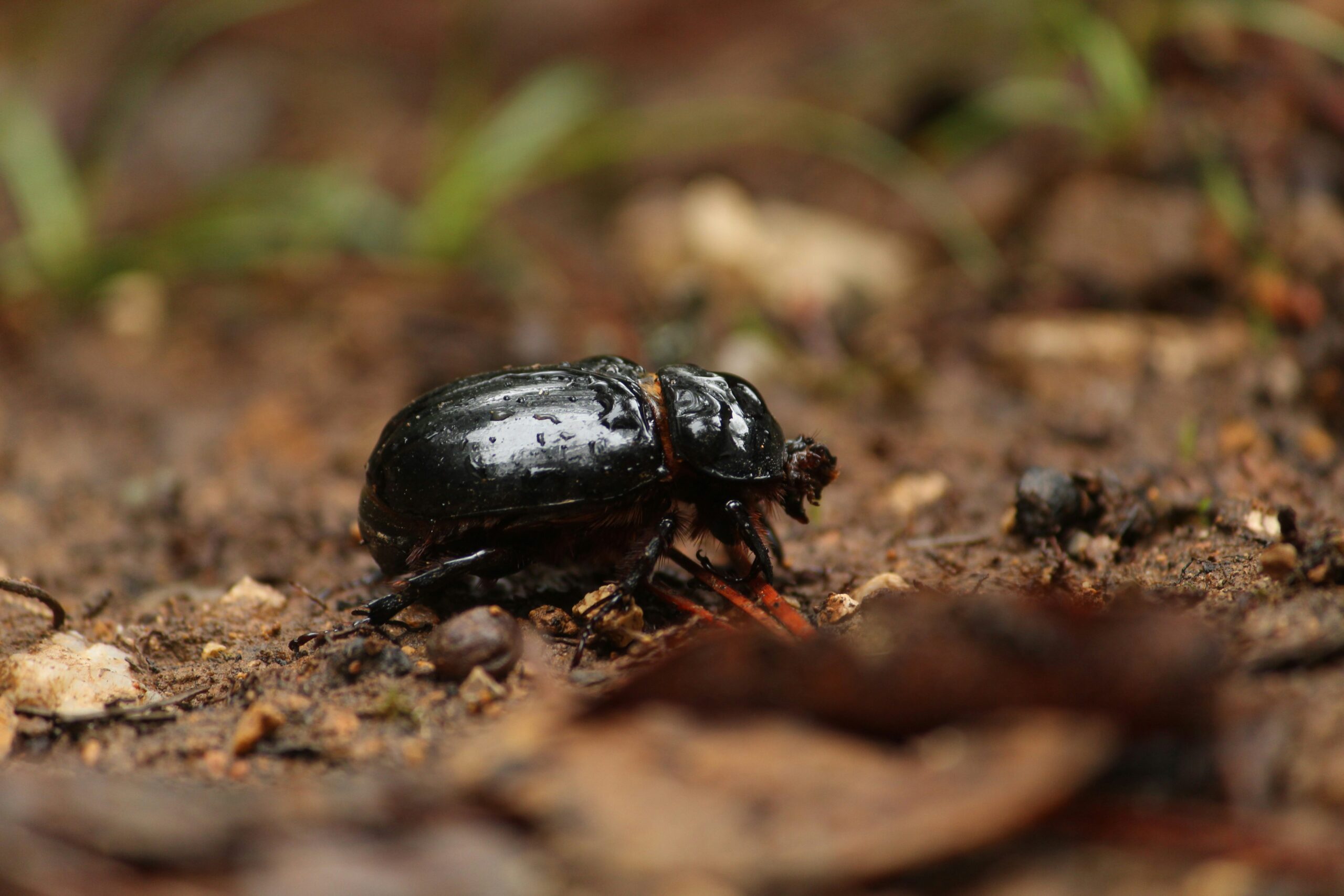
Spiders, Beetles, and Insects
These creatures help control pest populations, break down dead plant matter, and transport fungal spores and microbes throughout the soil.
Nematodes: Microscopic Worms with Giant Impact
Nematodes are incredibly diverse, with many species feeding on: • Plants • Fungi • Algae • Other nematodes • Bacteria
They help regulate the microbial community and release nutrients.
Springtails and Mites
These tiny arthropods shred organic material, making it easier for fungi and bacteria to decompose.
The Soil Food Web: A Cyclical, Living Machine
The soil ecosystem works because each organism plays a role in a vast, interconnected food web:
Plants absorb sunlight and produce organic material.
Decomposers (fungi, bacteria) break down dead matter.
The good news is that soil can recover — often faster than ecosystems above ground.
Ways to heal soil: • No-till farming • Cover crops • Compost and organic amendments • Plant diversity • Integrating livestock • Agroforestry • Rewilding degraded land • Reducing chemical inputs
Even small changes in farming, landscaping, or gardening can restore microbial life.
Forests heal soil naturally:
Leaf litter feeds fungi Roots stabilize ground Mycorrhizae rebuild networks
Prairie restoration improves:
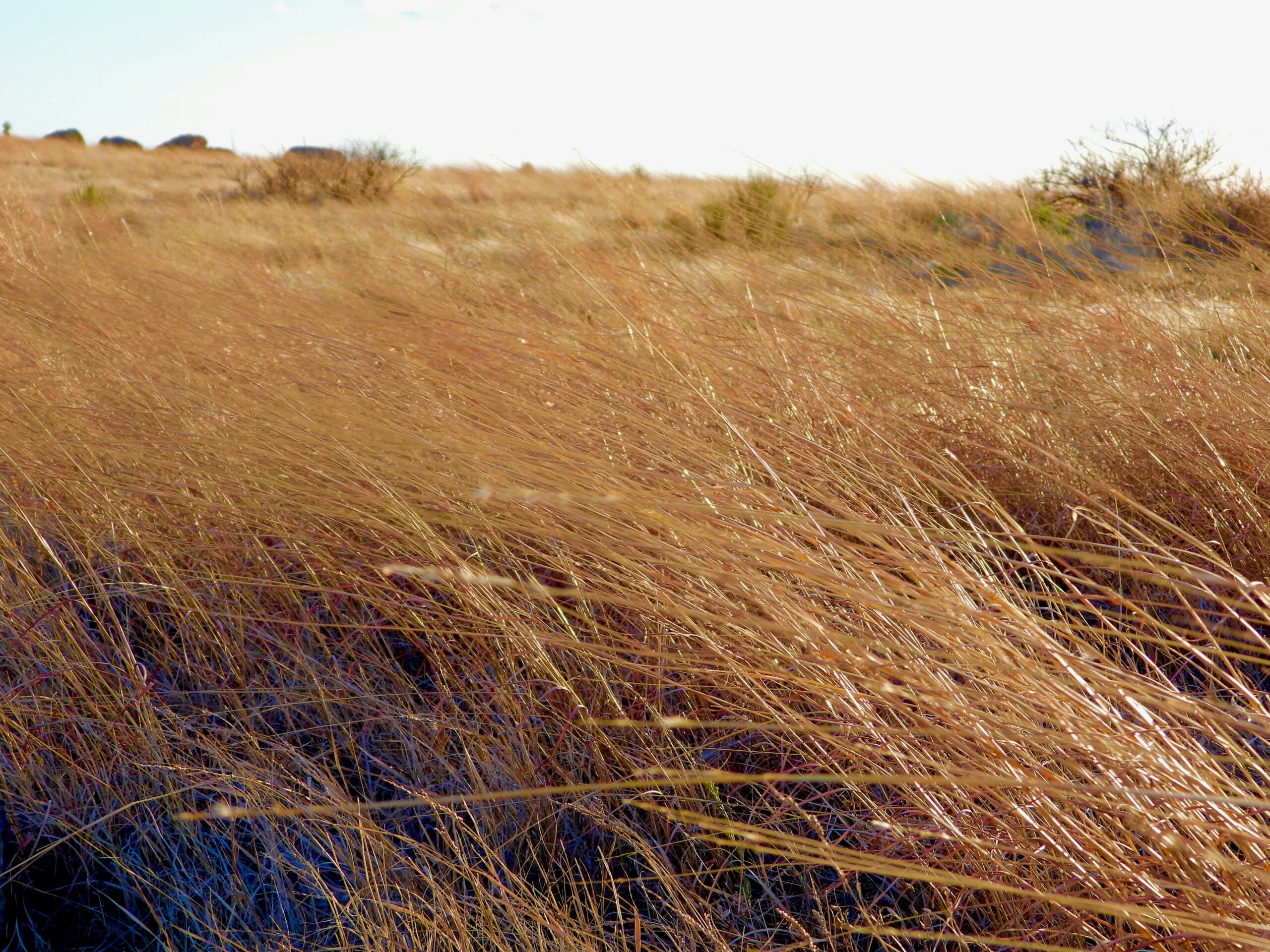
Carbon storage Water retention Deep root systems Biodiversity
Soil is not fragile — it is resilient if given the chance.
Farming Practices: How Regenerative Agriculture Helps Restore the Hidden Universe Below
For centuries, farming has shaped soil — sometimes in ways that nourish it, and sometimes in ways that strip it of life. Modern industrial agriculture, while incredibly productive, has accelerated soil degradation across the planet. Tilling, monocultures, synthetic fertilizers, and pesticides have created landscapes where soil organisms struggle to survive.
But a powerful shift is underway. A new wave of farmers, scientists, and land stewards are embracing regenerative agriculture — a soil-first approach that works with the underground ecosystem instead of against it.
Below are key sustainable practices that restore soil biodiversity, increase fertility, and strengthen the entire agricultural landscape.
1. No – Till and Low- Till Farming: Let the Soil Stay Undisturbed
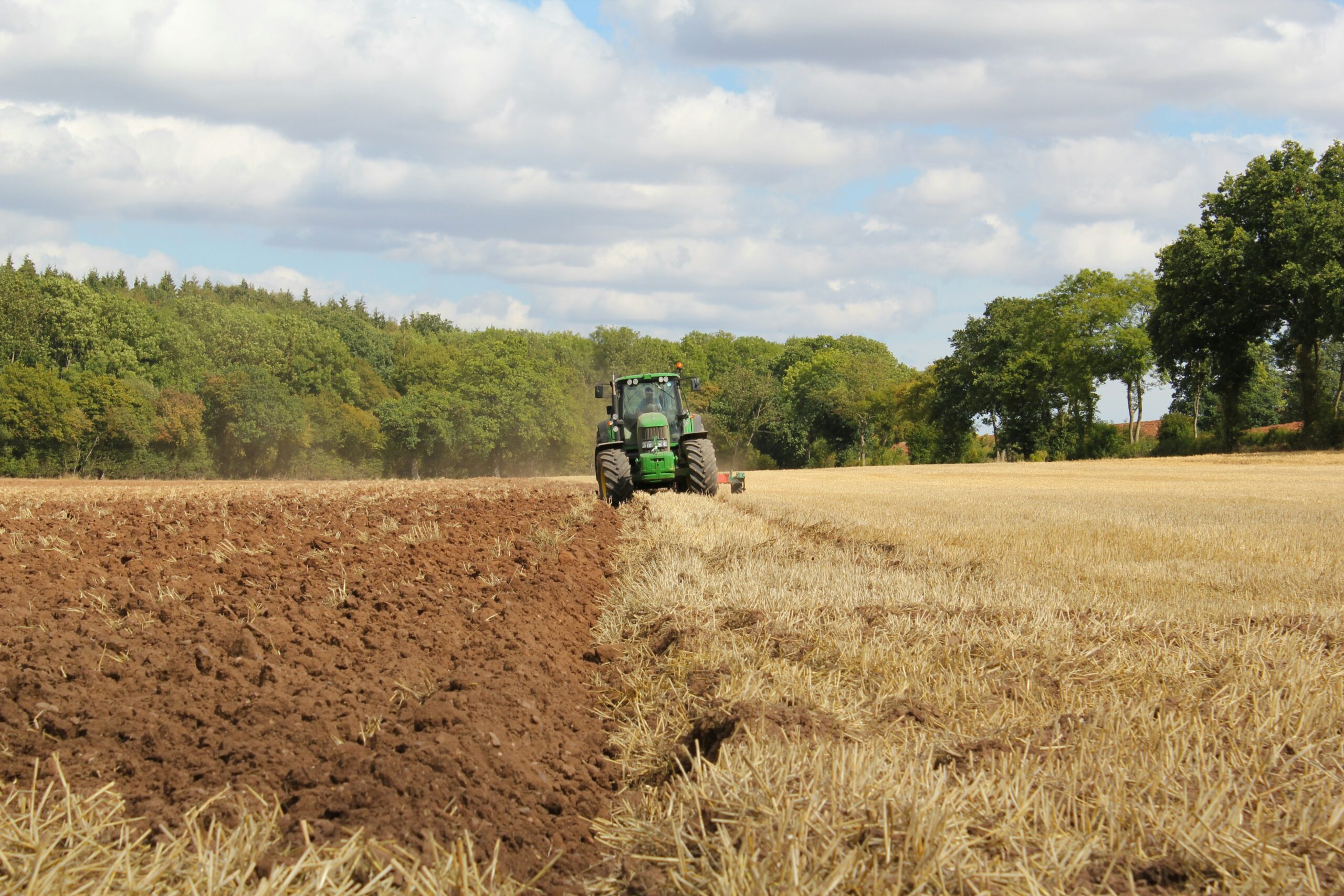
Traditional plowing breaks apart fungal networks, exposes microbes to UV light, and releases stored carbon into the atmosphere. No-till farming avoids this disruption.
Benefits to Soil: • Preserves microbial communities • Protects earthworm tunnels and burrows • Reduces erosion dramatically • Improves water retention • Allows organic matter to accumulate
No-till fields often become richer in life than tilled fields within just a few seasons.
2. Cover Crops: Feeding the Soil Between Harvests
Bare soil is vulnerable soil. Cover crops — such as clover, rye, alfalfa, or radishes — are planted between growing seasons to protect and enrich the soil.
Roots from cover crops act like living rebar, stabilizing soil while feeding microbes even when main crops are absent.
3. Crop Rotation: Avoiding the Monoculture Trap
Growing the same crop year after year drains soil of specific nutrients and encourages pests. Crop rotation mimics natural diversity.
Benefits: • Reduces pest and disease cycles • Rebalances nutrients • Encourages varied microbial communities • Improves long-term productivity
Rotations that include legumes help fix nitrogen naturally, reducing fertilizer needs.
4. Agroforestry: Blending Trees With Agriculture
Agroforestry integrates trees into farm landscapes — either in rows, along field edges, or throughout grazing land.
Benefits: • Deep roots add carbon and minerals to soil • Provides windbreaks and erosion control • Boosts biodiversity • Creates shade for livestock • Mitigates drought stress
Trees also create fungal corridors where mycorrhizae can thrive, linking entire fields together underground.
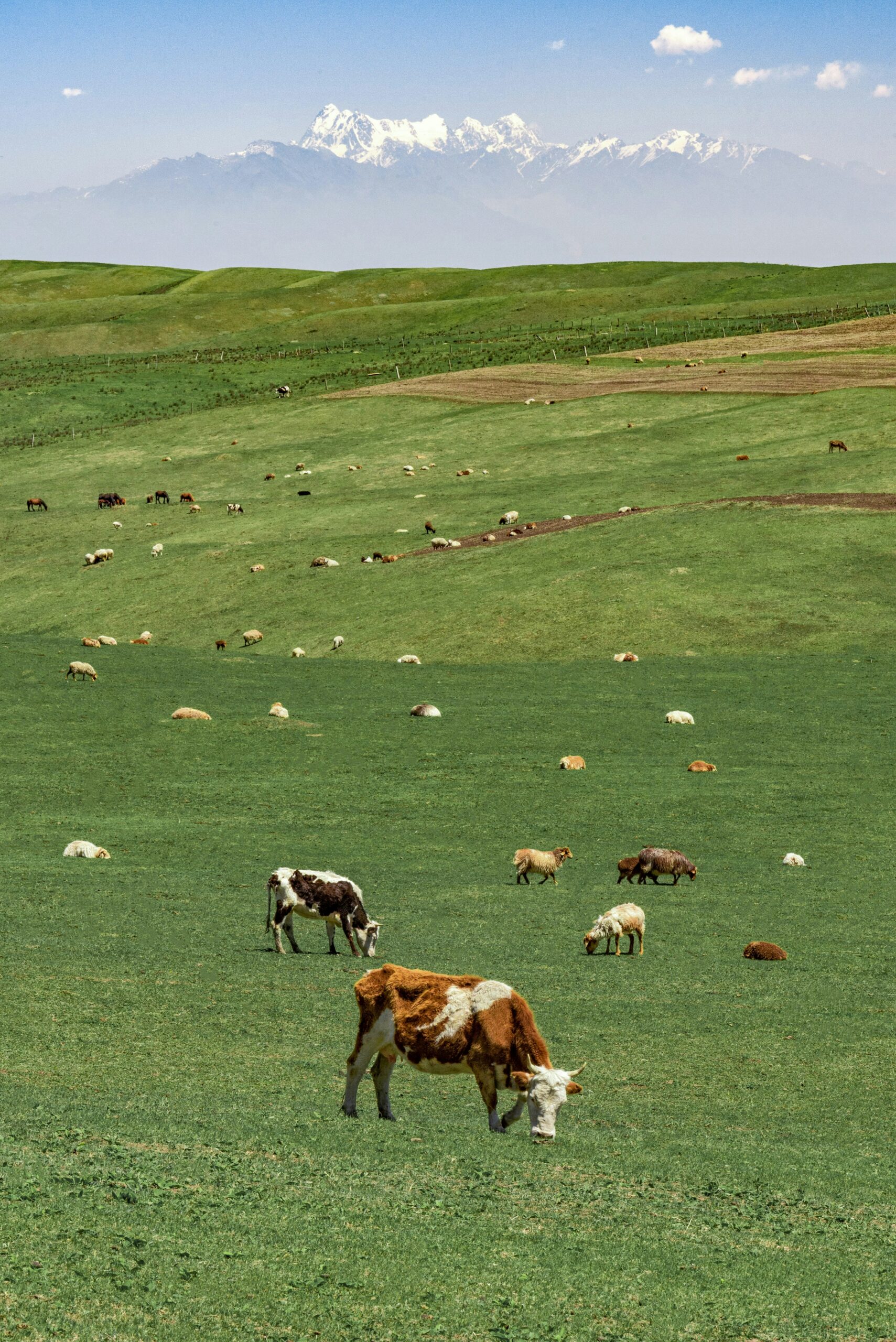
Well-managed grazing systems have transformed degraded land into thriving grasslands full of soil life.
6. Composting & Organic Amendments: Feeding the Microbial Engine
Healthy soil needs organic matter. Compost, mulch, and manure feed microbes, retain water, and gradually build long-term fertility.
Benefits: • Boosts microbial biodiversity • Improves nutrient availability • Reduces need for chemical fertilizers • Helps soil store moisture during drought • Supports robust root systems
When paired with no-till farming, compost applications can create dramatic improvements in just a few years.
7. Regenerative Agriculture: A Philosophy Rooted in Soil Health
Regenerative agriculture is not a single technique — it is a holistic mindset. It asks one question:
“Does this action increase life in the soil?”
If the answer is yes, it supports regeneration. If no, it supports degradation.
Core Principles: • Keep soil covered • Minimize disturbance • Maximize plant diversity • Maintain living roots year-round • Integrate animals wisely • Feed the soil, not just the crop
The results are remarkable: Higher yields over time, restored grasslands, drought resilience, reduced input costs, and soils that actually gain carbon instead of losing it.
Regeneration returns farming to its ecological roots — literally
Healthy soil is tied to climate, food, water, wildlife, and human well-being.
Protecting soil is protecting the planet’s most fundamental life-support system.
Closing Thought: A Universe Worth Protecting
Beneath every step lies a world more ancient, complex, and alive than most people ever imagine. Soil is not just the ground beneath us — it is a universe of relationships, processes, and organisms that make life possible.
If we learn to see soil as living, we learn to value the invisible systems that sustain everything above.
The hidden life beneath our feet may be the key to the planet’s future — if we choose to protect it.