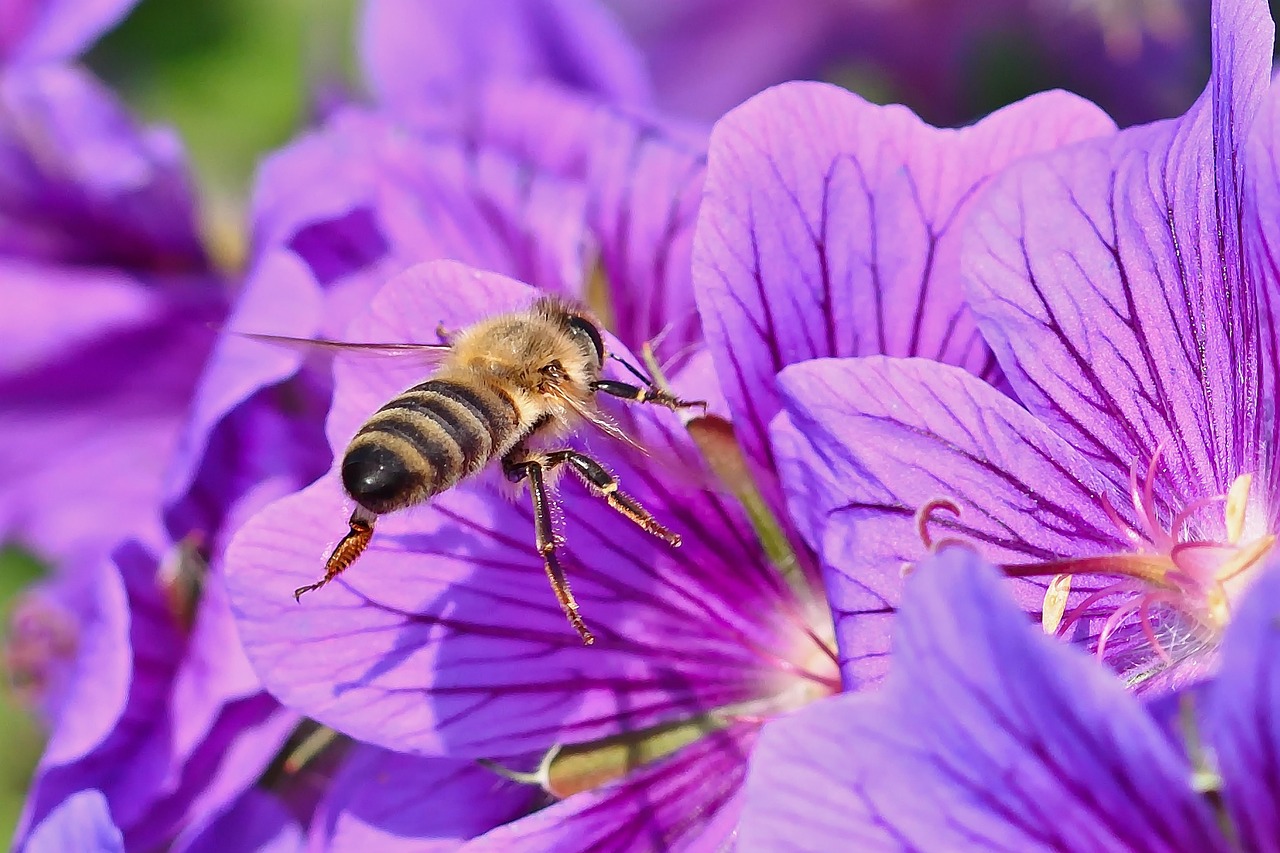
Pollinators like bees, butterflies, hummingbirds, and even bats are vital for ecosystems and food production. In fact, about one in every three bites of food we eat depends on pollinators. Yet, pollinator populations are declining worldwide due to habitat loss, pesticides, and climate change.
The good news? You can help. One of the simplest and most rewarding ways to support pollinators is by creating a pollinator-friendly garden. Whether you have a backyard, balcony, or even a small patio, you can design a space that provides food, shelter, and safe passage for pollinators.
This guide will walk you through everything you need to know on how to create a pollinator garden: from choosing plants to designing your space and maintaining your garden throughout the seasons.
Step 1: Choose the Right Location
Choosing the right location to create a pollinator garden is the first step. Pollinators thrive in sunny, protected spaces. Ideally, your garden should receive at least 6–8 hours of sunlight daily. Avoid placing your pollinator plants where they’ll be exposed to strong winds or heavy pesticide drift (e.g., near treated lawns).
If you have limited space, don’t worry—containers and raised beds can be just as effective as large gardens. Even a few pots on a balcony can provide critical nectar and pollen sources.
Step 2: Select Native Plants
One of the most important steps to create a pollinator garden is plant selection. Native plants are best because they’ve co-evolved with local pollinators and provide the food and shelter those species rely on.
Tips for choosing plants:
Go native first. Check local extension offices or conservation groups for native plant lists.
Prioritize diversity. Include flowers that bloom in spring, summer, and fall so pollinators have food all year.
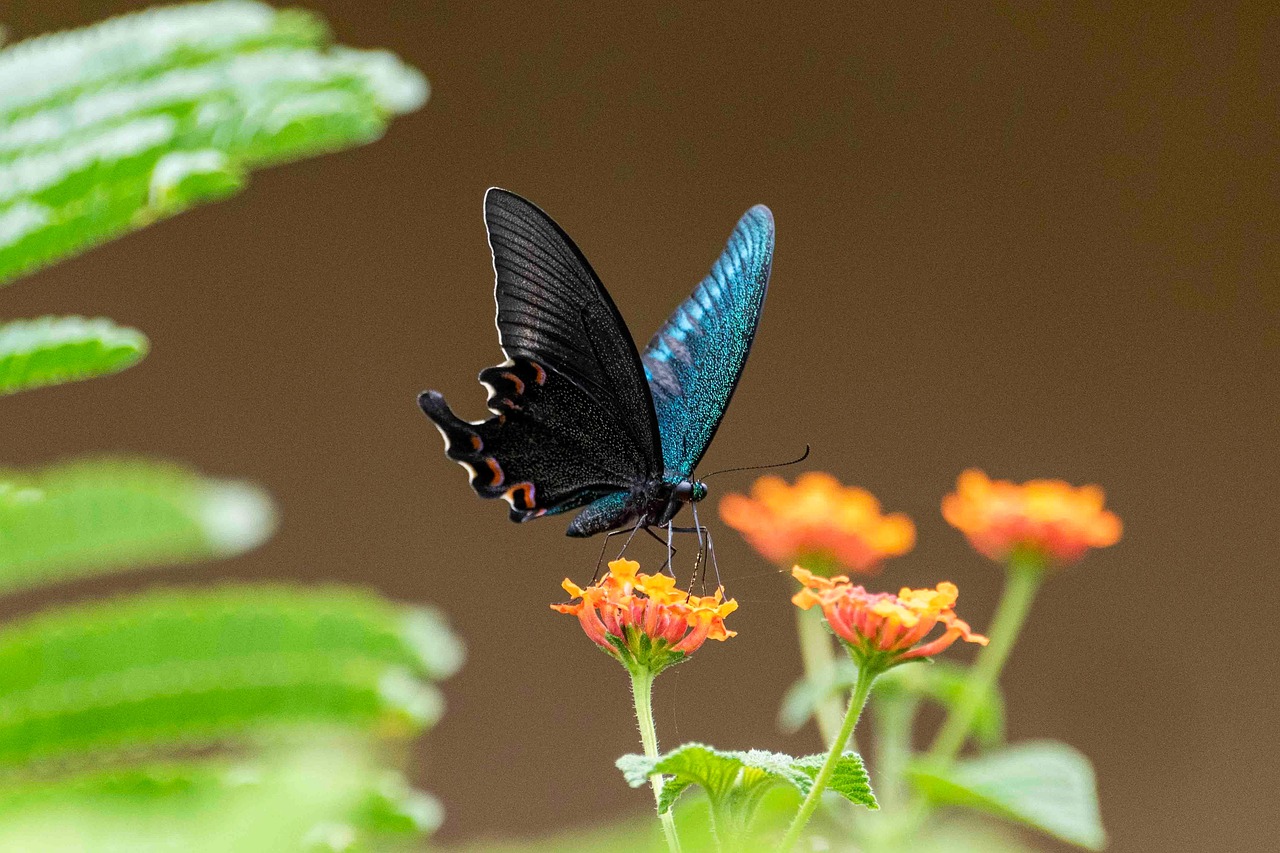
Choose a variety of colors and shapes. Bees prefer blue, purple, and yellow; hummingbirds are drawn to red tubular flowers; butterflies love flat, broad blooms like coneflowers.
Skip hybrids. Some ornamental hybrids produce little to no nectar or pollen.
Examples of pollinator-friendly plants:
Spring: Serviceberry, wild columbine, penstemon
Summer: Purple coneflower, bee balm, milkweed
Fall: Goldenrod, asters, native sunflowers
If you have a large area that you would like to plant to attract pollinators, there are pollinator seed mixes that you can buy in larger bags and spread to create a small field like area for your pollinators. A garden store or an online retailer that deals in wildflower seeds would be the best place to find these larger bags.
Step 3: Provide Shelter & Nesting Areas
Pollinators need more than food—they need shelter to rest and reproduce.
Bees: Leave patches of bare soil for ground-nesting bees, or add a bee hotel for mason bees.
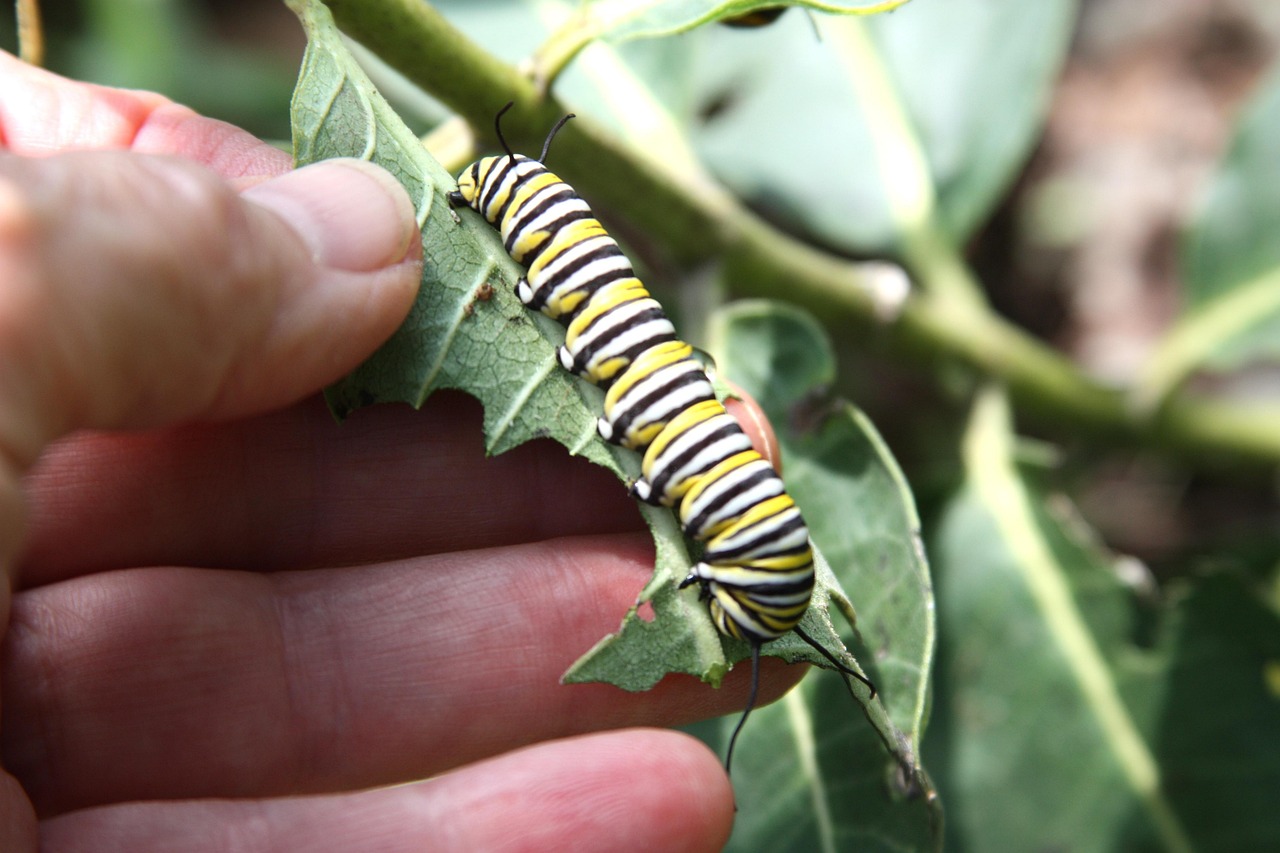
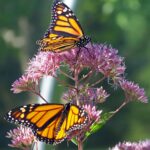
Butterflies: Include host plants like milkweed for monarch caterpillars. Monarch butterflies depend on milkweed for their survival. Check out our article on Why monarch butterflies are endangered.
Hummingbirds: Provide shrubs and trees for nesting and perching.
Avoid over-mulching, since many bees nest in exposed ground. A mix of plants, grasses, and natural debris creates safe hiding places.
Step 4: Avoid Pesticides
Pesticides, herbicides, and fungicides are harmful to pollinators. Even “bee-friendly” products can be toxic. Instead:
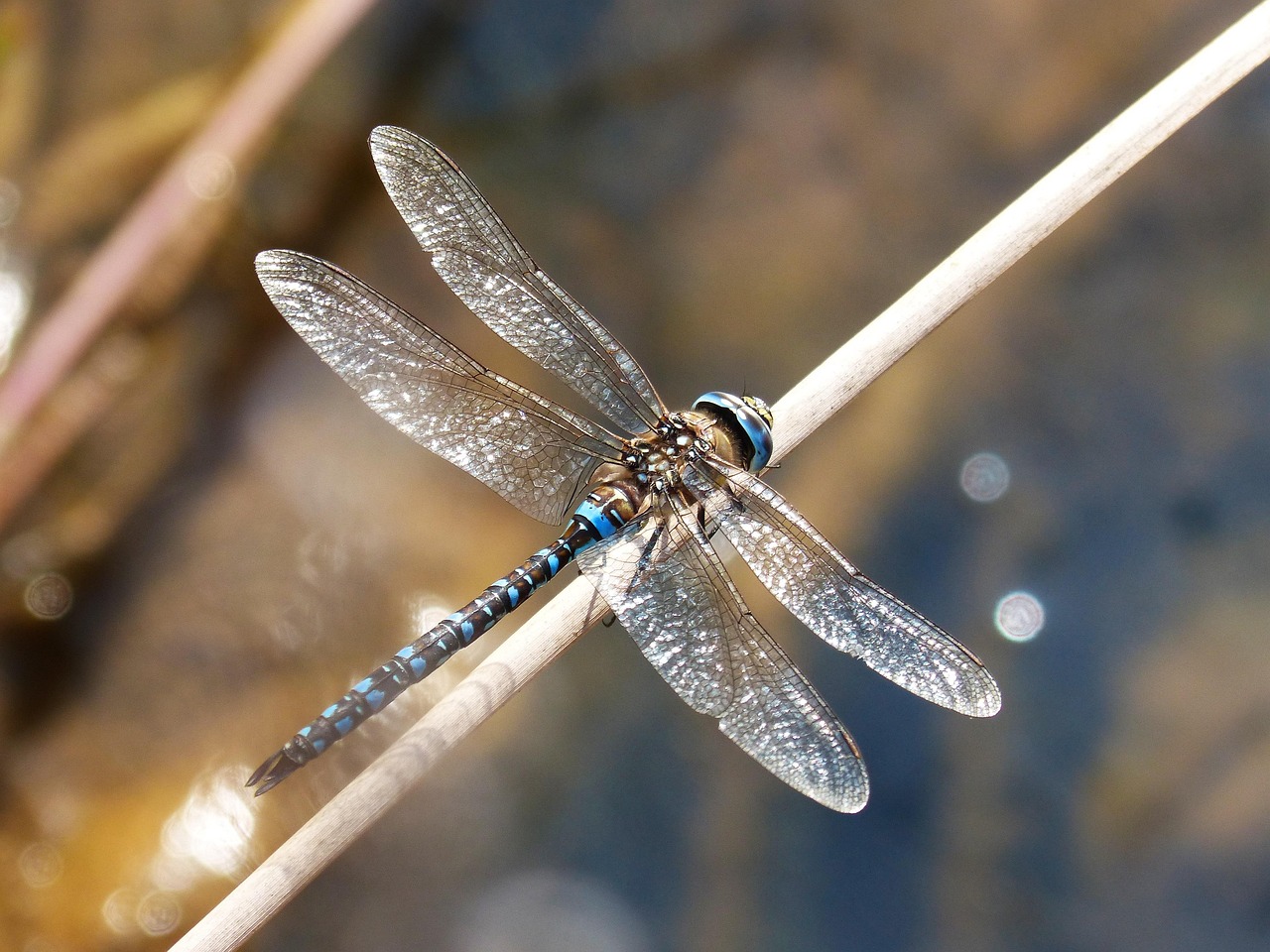
Avoid using insecticides on your property. Spraying these to get rid of mosquitos also harms pollinators and other insects. Instead, consider including species of plants in your pollinator garden that will attract dragonflies. Dragonflies are natural predators to mosquitos and will help keep the numbers down.
Another great predator to mosquitos that not many people think about are bats. While people may be hesitant to attract bats to their property, they can be extremely beneficial. Installing a bat house can be a great way to provide a home for them and attract them to your property.
Water in the early morning or evening to avoid harming active pollinators.
Embrace imperfection: A few chewed leaves means your garden is doing its job as a food source.
Step 5: Add Water Sources
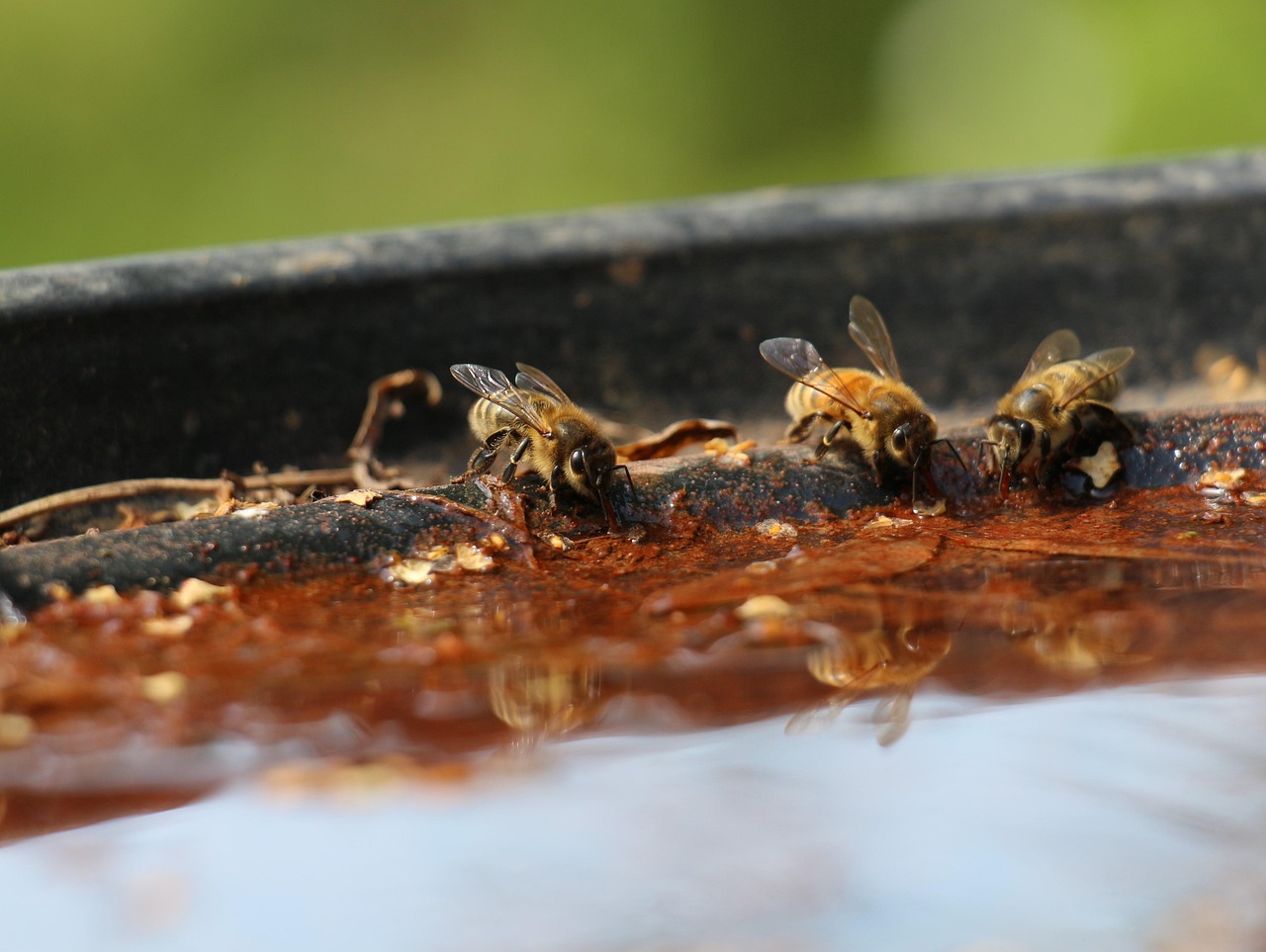
Pollinators need water, too. Simple solutions include:
A shallow dish with pebbles for bees to land on.
A birdbath with gently sloping sides.
A small pond or fountain for continuous water flow.
Change water regularly to prevent mosquitoes and algae buildup.
Step 6: Design for Continuous Blooms
To keep pollinators visiting, design your garden for year-round blooms.
Spring: Early bloomers like willow, violets, and wild plum.
Summer: Mid-season favorites like milkweed, echinacea, and bee balm.
Fall: Late bloomers such as goldenrod, asters, and sedum.
This ensures pollinators have consistent nectar and pollen sources throughout the growing season. Plant in clusters—three or more of each species—so pollinators can forage efficiently.
Step 7: Maintain & Monitor Your Garden
Once your pollinator garden is planted, ongoing care is essential.
Water deeply during dry spells.
Deadhead flowers (remove spent blooms) to encourage more blossoms.
Leave leaf litter in fall to provide overwintering habitat for butterflies and bees.
Keep a journal. Note which pollinators visit which plants. Over time, this helps refine your garden’s effectiveness.
By observing your garden, you’ll learn which species thrive and which may need adjusting, making your space more pollinator-friendly each year.
Benefits of a Pollinator Garden
Creating a pollinator garden doesn’t just help bees and butterflies—it benefits you and your community:
Increases biodiversity in your neighborhood.
Improves crop yields for local gardeners and farmers.
Adds beauty and color to your yard.
Supports climate resilience by preserving native plants and insects.
Conclusion
Pollinator gardens are one of the simplest and most rewarding ways to make a difference for wildlife. By planting native flowers, avoiding pesticides, and providing water and shelter, you create a safe haven that supports biodiversity and food systems. Even the smallest pollinator garden can make a big impact.
So, whether you start with a single pot of wildflowers or transform your entire yard, your garden can become part of a global movement to protect pollinators and preserve the planet.
Hello, I’m Mindy Russel and I have had a fascination with animals and wildlife since I could talk. I was obsessed with animal toys, posters, and books, and would always be watching the nature channel on TV.
Learning about how animals created a safe space for me growing up, and I felt connected to each one I read about. I have always told anyone who will listen wacky and wonderful facts about wildlife.