Silence is one of Earth’s most overlooked natural resources. In a modern world filled with engines, alerts, and human activity, truly quiet places are becoming almost impossibly rare. And yet, across the planet, there are ecosystems where sound fades to a whisper — where predators stalk silently, where prey survive by listening for the faintest cue, and where evolution has been shaped by stillness.
Silence is not emptiness.
Silence is ecology.
Quiet ecosystems influence hunting strategies, communication, mating rituals, migration routes, stress levels, and even the physical adaptations of species. They also reveal something profound about our planet: that sound — and often the lack of it — is one of nature’s most powerful forces.
These are Earth’s quietest ecosystems, the species that depend on them, and the consequences when noise finally intrudes.
Old Growth Forests: The Sound of Slow Time
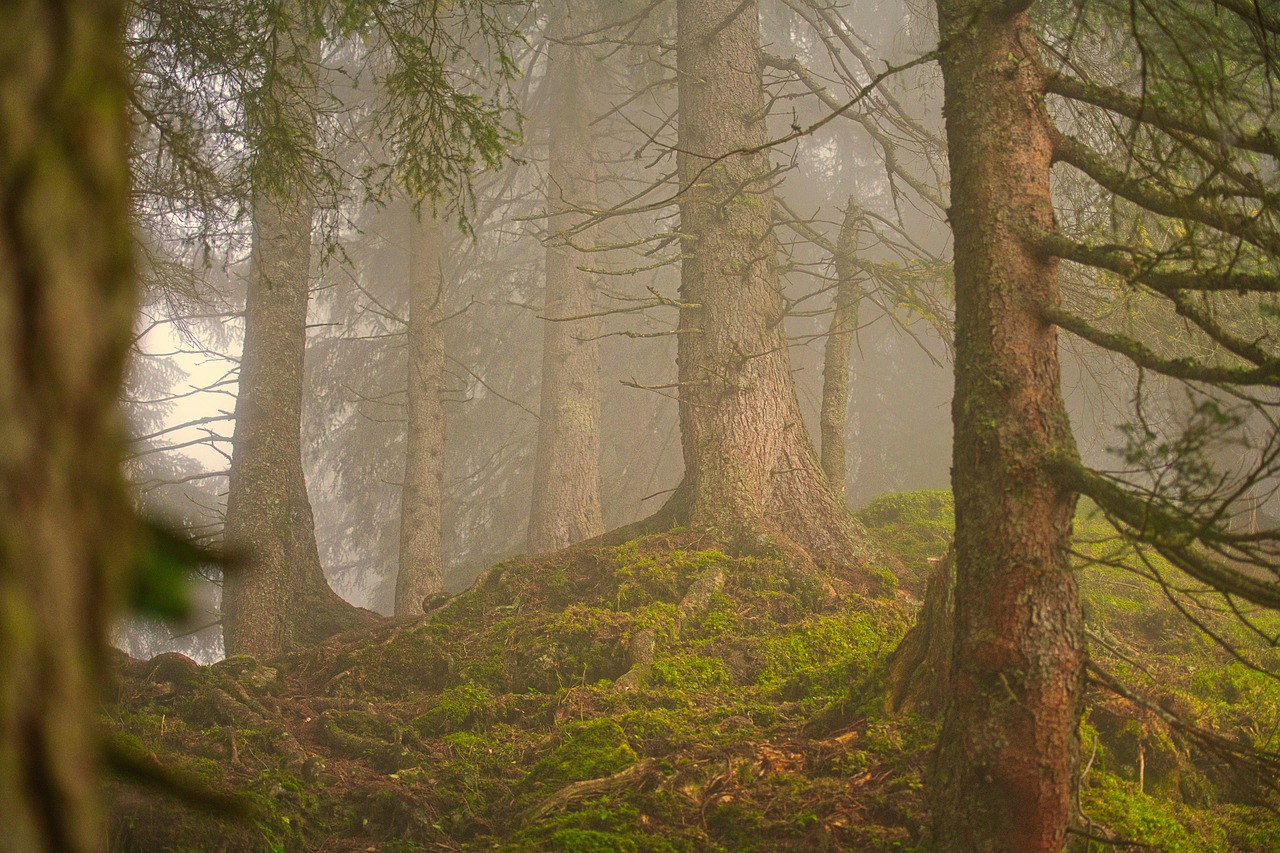
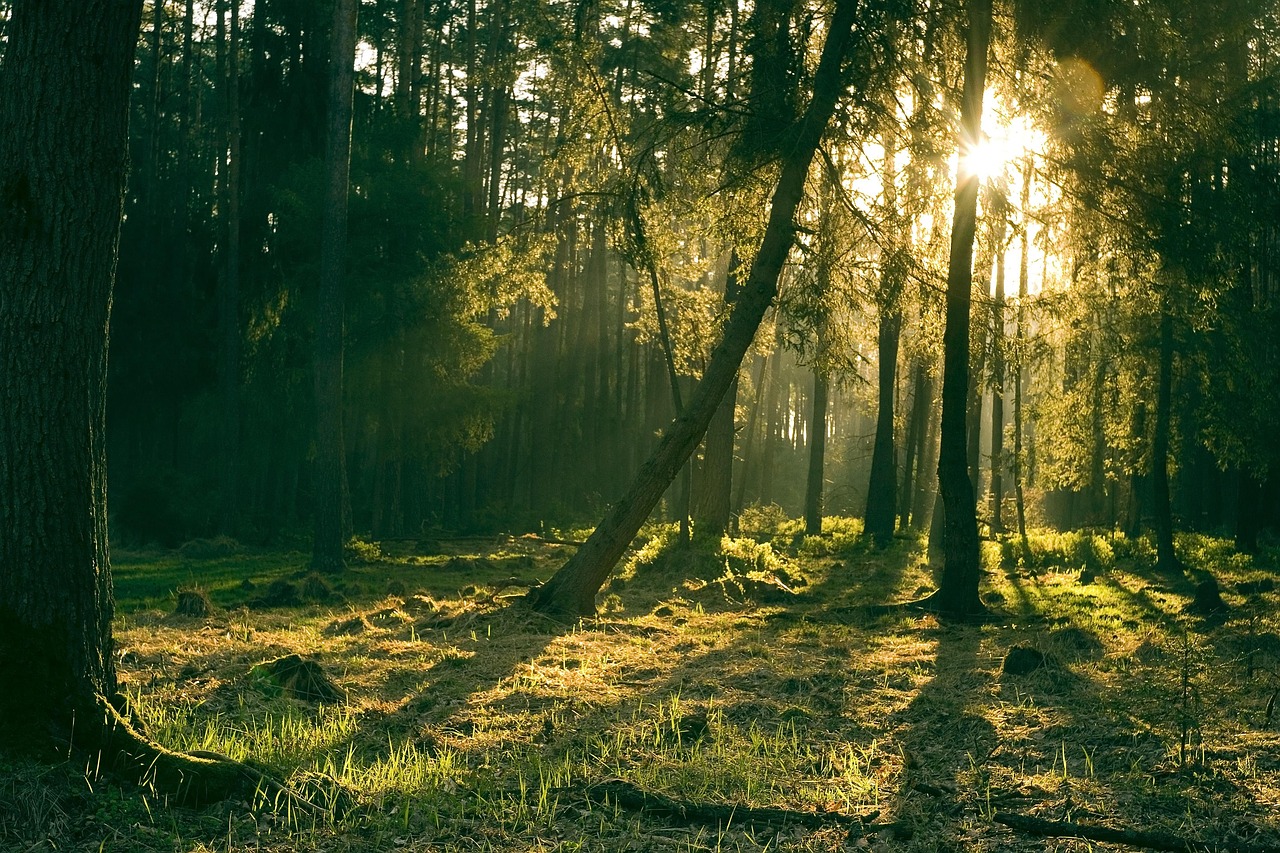
Ancient forests are naturally quiet in ways most people never experience. Unlike young, regenerating forests or urban woodlands, old-growth forests create a thick acoustic blanket:
Mossy understory absorbs sound,
Tall, layered canopies break wind,
Fallen logs dampen vibrations,
Dense foliage prevents echoes.
In places like the Hoh Rainforest of Washington, or the deep boreal forests of Scandinavia, the dominant sound is simply absence. This quiet is essential to wildlife:
How silence shapes species:
Owls rely on micro-noises to pinpoint prey beneath snow and leaves.
Wolves use long-distance howls that travel farther in low-noise environments.
Pine martens & foxes depend on subtle ground vibrations to detect mice.
Songbirds evolved calls tuned precisely for forests with low background noise.
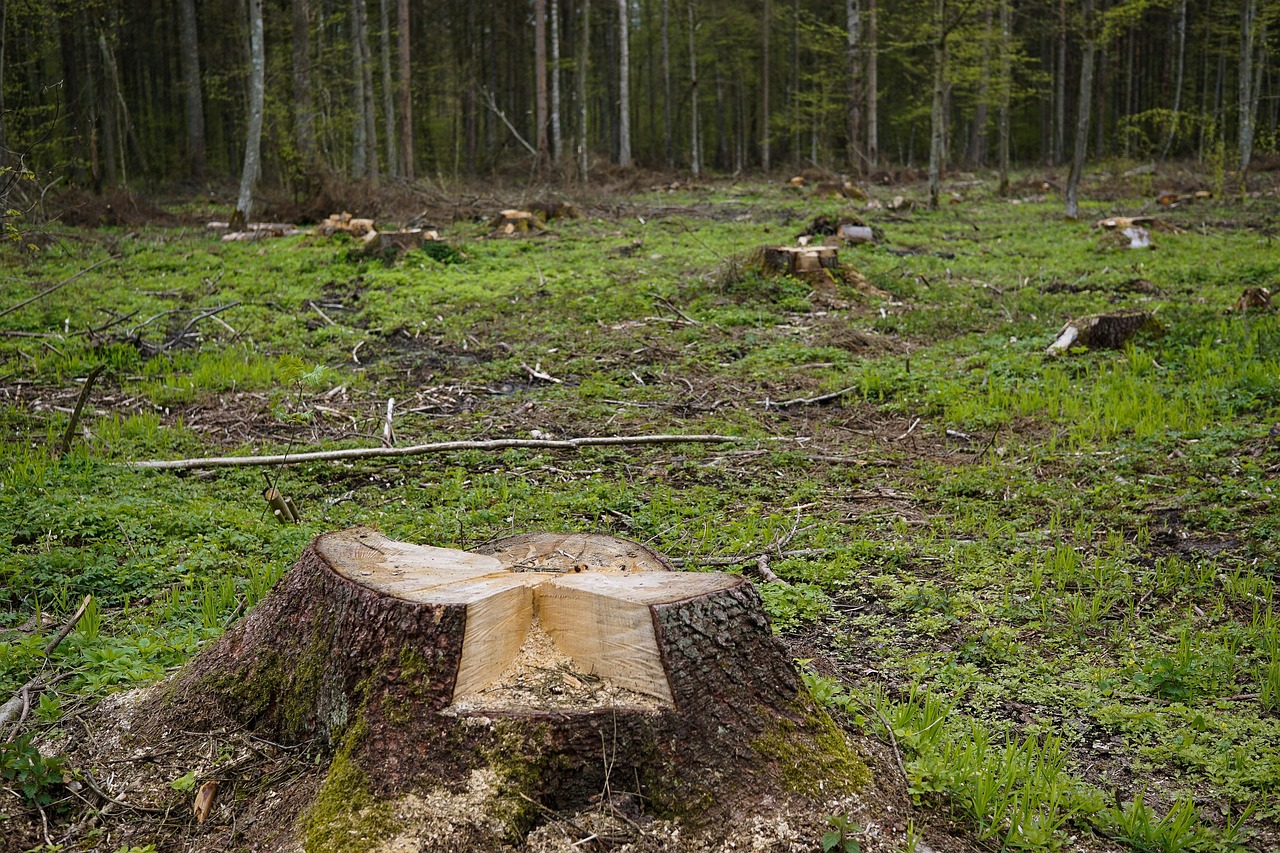
When human noise penetrates these places — chainsaws, engines, recreational traffic — animals must call louder, move more, or leave entirely. Even brief noise exposure increases stress hormones in forest wildlife, reducing reproduction and survival.
Ancient silence is not just peaceful — it is functional infrastructure.
Polar Regions: Silence Beneath Endless Sky
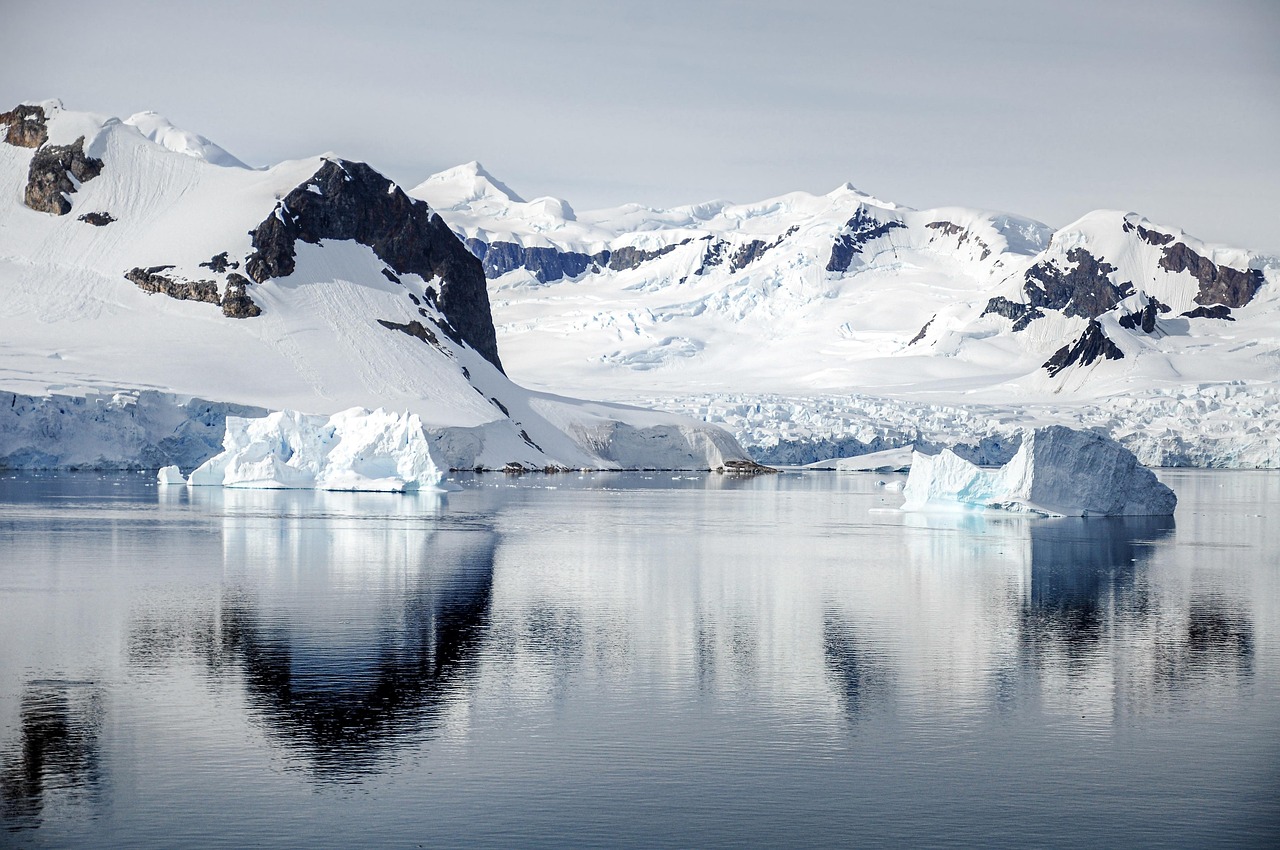
The Arctic and Antarctic are among the quietest environments on Earth. Snow absorbs footsteps. Ice sheets transmit only low-frequency rumbles. Wind is often the only consistent natural sound.
In winter, polar regions experience months of sunless stillness, a time scientists describe as “acoustic emptiness.”
Wildlife built for silence:
Snowy owls listen for lemmings tunneling under snow.
Arctic foxes pinpoint prey using only sound, then dive headfirst into drifts.
Polar bears hunt seals by detecting faint air exchanges at ice holes.
Narwhals & belugas evolved sensitive hearing for navigating under thick ice.
But silence in polar oceans is vanishing.
Shipping routes have expanded dramatically as sea ice retreats. The engines, sonar, and seismic surveys used for exploration mask the natural sound cues marine mammals depend on. Belugas have been observed abandoning migration channels they used for centuries due to noise.
In a place where communication evolved to carry through dense ice, noise can be catastrophic.
Deserts: Stillness That Shapes Survival
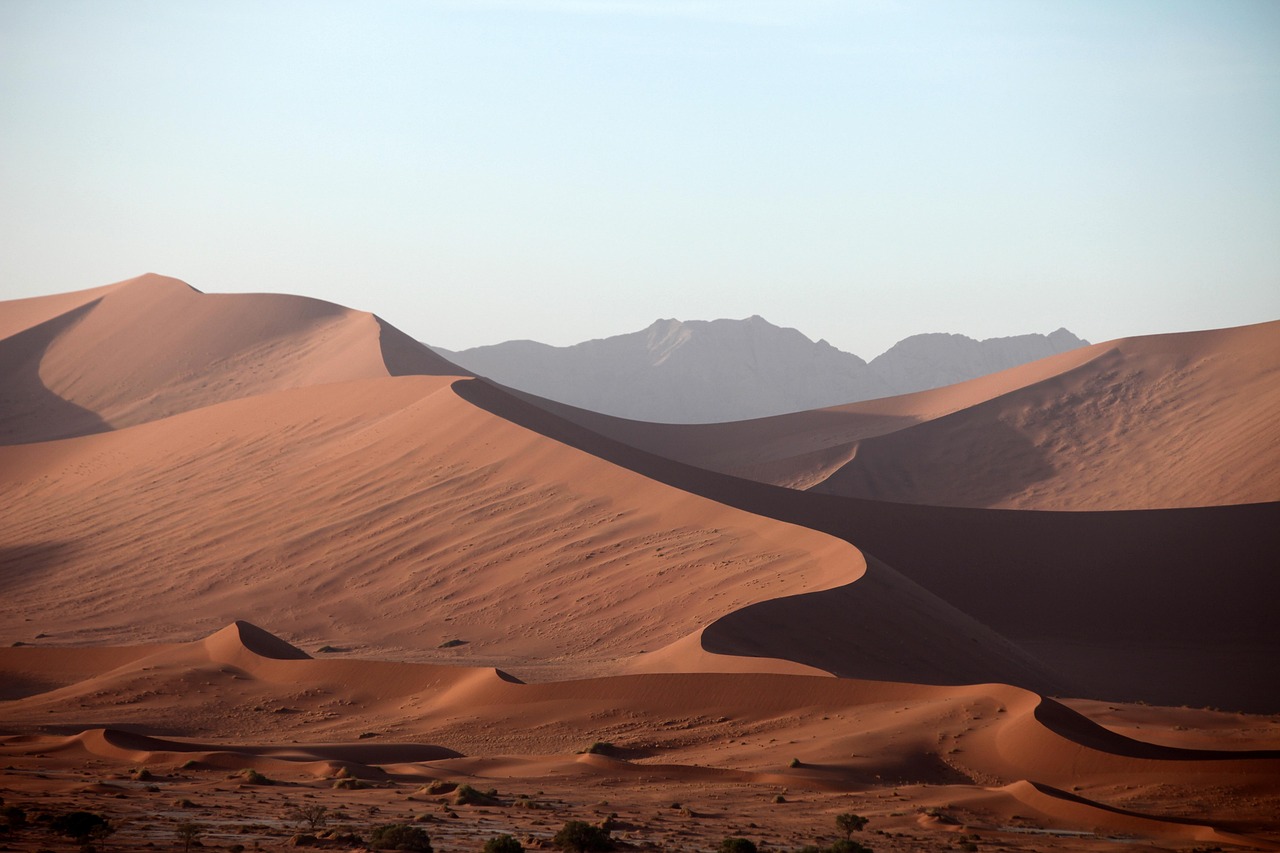
Deserts look empty, but they are full of life — life that depends on silence.
During the scorching day, heat suppresses movement and muffles sound. At night, sand absorbs vibrations and creates a stable, quiet acoustic environment where even the softest rustle becomes meaningful.
Desert specialists who rely on quiet:
Fennec foxes have huge ears to hear insects underground.
Sidewinder rattlesnakes track prey through tiny noises in sand.
Owls and hawks hunt rodents in total darkness using sound alone.
Jerboas and kangaroo rats can detect the wing-beat of an approaching owl.
Sound travels differently across superheated, low-humidity air — it disperses quickly. As a result, many desert species rely on vibration instead of vocalization. Silence is not a luxury here; it is the foundation of survival.
But off-road vehicles, military training, mining, and expanding cities inject noise into these fragile soundscapes, disrupting predator–prey interactions honed over millennia.
Deep Ocean Zones: Silence Beneath the Pressure
Light doesn’t reach the deep sea, and many animals there don’t rely on vision at all. Instead, they live in an acoustic world — one of the quietest on Earth.
Below 1,000 meters, the loud coastal chaos fades. Sound becomes sparse, long-distance, and vitally important.
Deep-sea silence shapes evolution:
Giant squid sense only faint pressure waves, not visible movement.
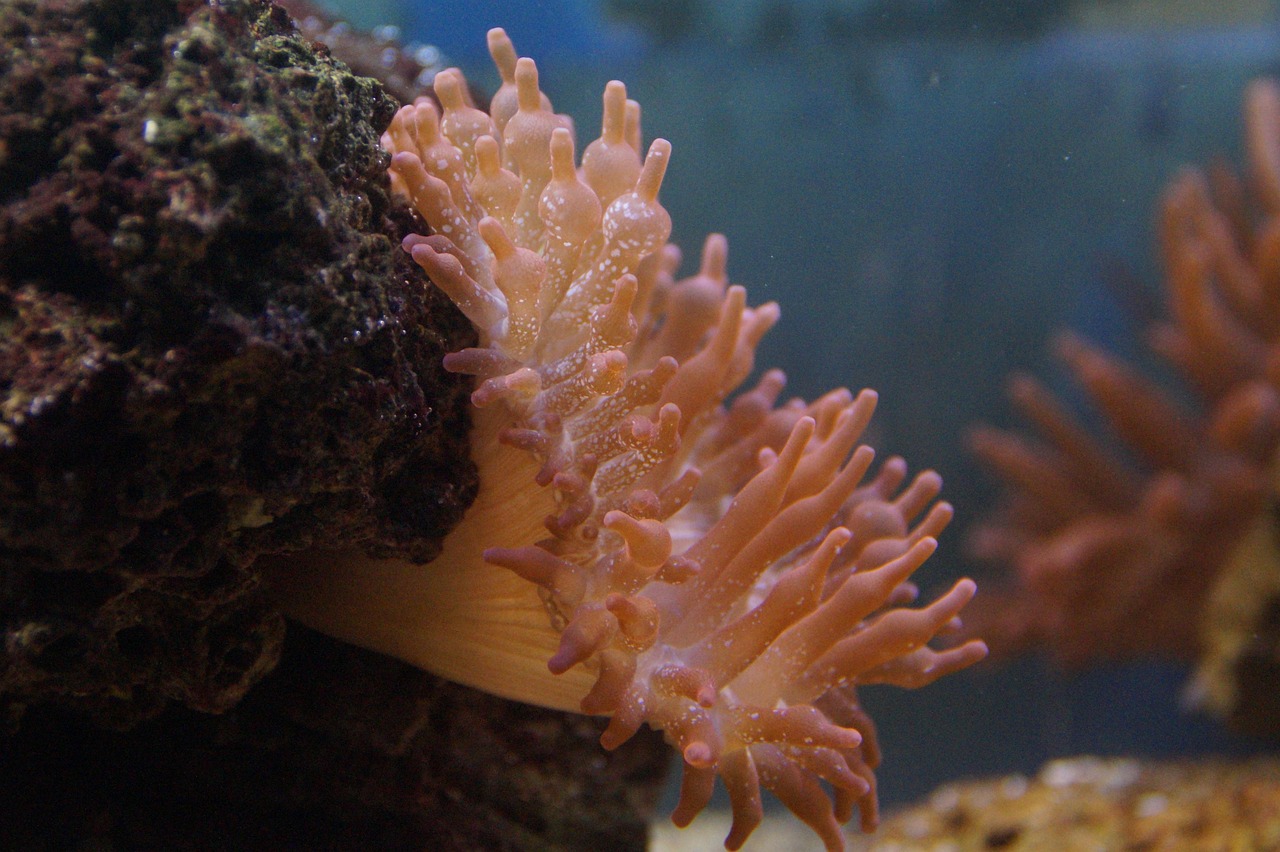
Anglerfish rely on stillness to lure prey toward their bioluminescent bait.
Deep-sea sharks use electroreception in the near-silent dark.
Hatchetfish orient themselves by detecting almost imperceptible vibrations.
Natural deep-sea noise includes:
Earthquakes
Distant whale calls
Hydrothermal vents
Faint currents
Modern noise — deep-sea mining, shipping, and powerful sonar — cuts through these once-quiet zones. Whales and dolphins become disoriented; deep-sea life changes behavior; some species flee habitats where their sensory adaptations no longer work.
Silence here isn’t just peaceful — it’s a navigational system.
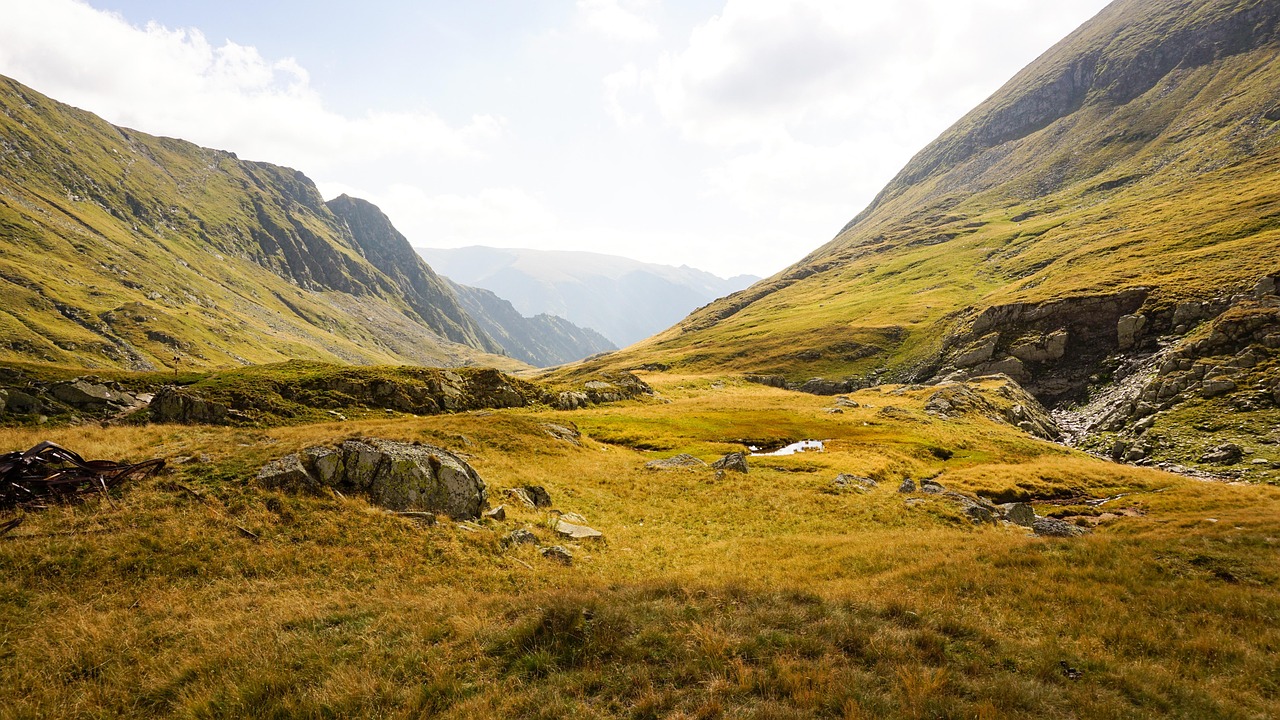
Remote Mountain Valleys: Thin Air, Thin Sound
High-altitude environments shape sound in extraordinary ways:
Thin air carries sound less effectively.
Steep cliffs create natural “sound shadows.”
Vegetation is sparse, limiting noisy wildlife.
Constant wind flows above valleys, not through them.
This creates pockets of acoustic calm where silence is as much a feature as the rugged landscape.
Species shaped by mountain quiet:
Ibex rely on subtle rock movement to detect predators.
Snow leopards move silently across scree slopes to ambush prey.
Pikas communicate with high-pitched calls that travel in calm air pockets.
Golden eagles use stillness to detect prey far below.
Increasing tourism — from drones to helicopters — is introducing noise to ecosystems that evolved in stillness. In some mountain areas, wildlife has already retreated to higher, more dangerous elevations simply to escape sound.
Undisturbed Islands: Where Sound Evolves Differently
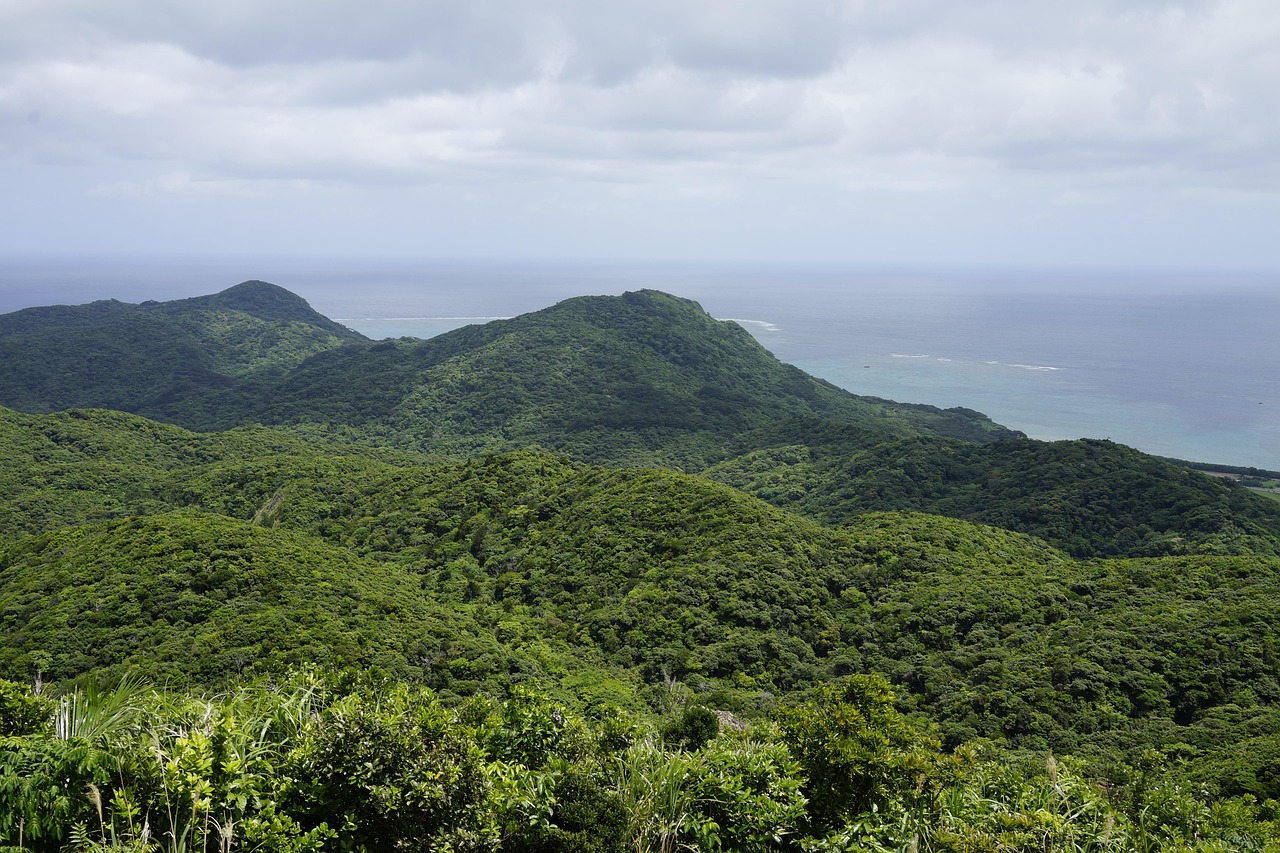
Isolated islands often host some of the quietest ecosystems on Earth — and some of the most unusual.
Because many evolved without predators, island species often lose the need to call loudly, move cautiously, or rely on acoustic warning systems.
Quiet-shaped island surprises:
Many New Zealand birds evolved soft calls or lost flight entirely.
Ground-nesting seabirds remain almost silent to avoid drawing attention.
Madagascar primates use gentle vocalizations tuned to forest stillness.
Some island insects do not chirp or buzz, relying on pheromones instead.
But when noise arrives, island ecosystems have little resilience. Aircraft, tourism, and invasive species overwhelm wildlife whose survival strategies depend on quiet.
Grasslands at Dawn: The Quiet Before the Chorus
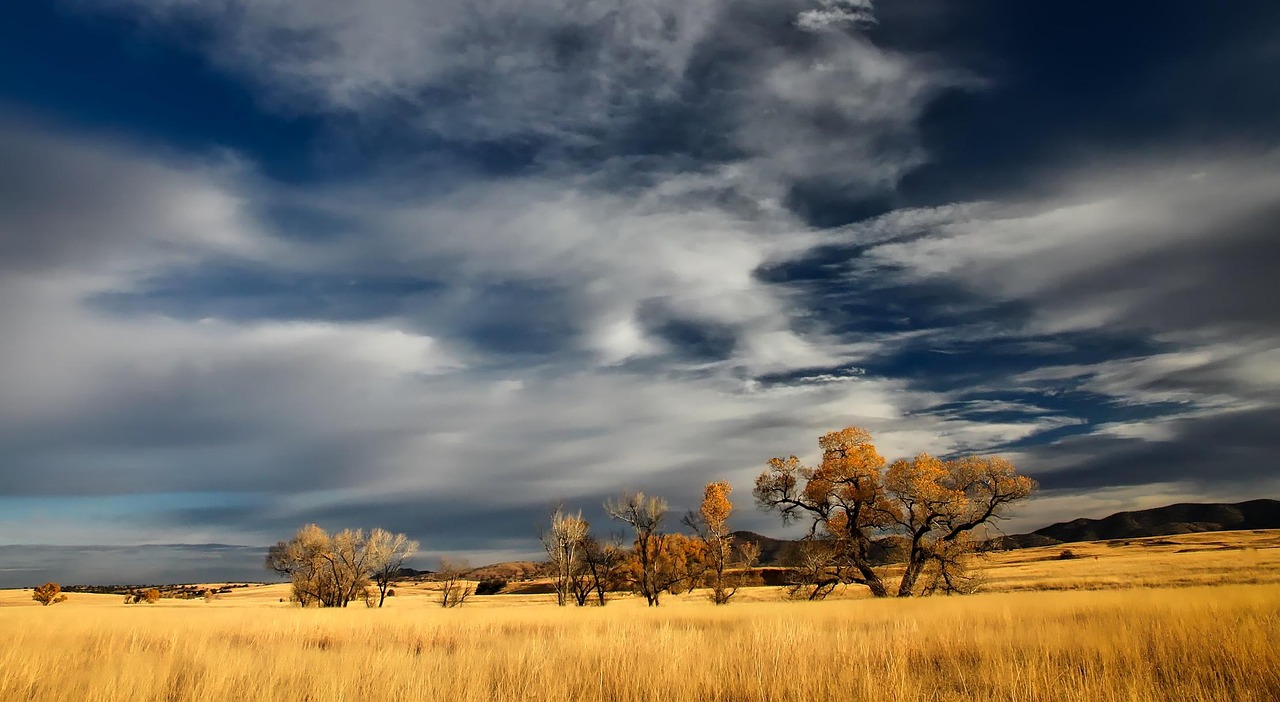
For a brief moment each morning, the world’s great grasslands fall into perfect stillness.
Before the wind rises and before birds begin their dawn chorus, these vast, open landscapes become acoustically bare.
This pre-dawn quiet is invaluable:
Lions, leopards, and cheetahs finish nighttime hunts under the cover of stillness.
Owls rely on the fading dark to detect fleeing prey.
Wolves and coyotes move silently through tall grasses.
Grazers like bison and antelope detect predators before noise masks danger.
As human noise spreads — from highways, ranching, engines, and aircraft — the ancient rhythm of this quiet moment is disappearing.
The Cost of Losing Quiet Ecosystems
When noise infiltrates historically quiet environments, cascading consequences follow:
Predators miss the faint cues they evolved to rely on
Prey are unable to detect approaching danger
Birds alter migration routes and abandon nesting sites
Marine mammals become stressed or disoriented
Insects change mating behaviors
Entire food webs weaken
Noise creates acoustic pollution, but more importantly, it creates ecological confusion — a breakdown of natural communication systems.
Wildlife has played a very important role in not only shaping these fragile ecosystems, but also maintaining them as well. To learn more about wildlife’s role in shaping ecosystems, check out our article, Natures Hidden Engineers: How Animals Shape Earth’s Surface.
Why Protecting Quiet Matters
Silence is habitat.
Silence is biodiversity.
Silence is survival.
Protecting quiet ecosystems does not mean eliminating all noise — it means preserving natural soundscapes essential to wildlife. These places are as vital as forests, reefs, or wetlands.
They stabilize wildlife behavior
Support predator–prey dynamics
Maintain communication networks
Reduce stress and improve reproduction
Preserve evolutionary adaptations millions of years old
Every quiet place left on Earth is worth saving — because once silence disappears, it rarely returns.
Closing Thought
Silence is one of Earth’s oldest languages. Animals, winds, waters, and forests all speak it. When we protect quiet places, we safeguard more than peace — we safeguard life’s ability to hear, respond, survive, and thrive.