Earth has always been keeping a diary — not in words or digital files, but in matter itself. Every year, snow falls on the poles, coral grows in warm seas, and trees add a new ring beneath their bark. Each process leaves behind a microscopic record of conditions: temperature, rainfall, sunlight, even chemical fingerprints of volcanic ash or distant forest fires. These natural archives — ice cores, coral skeletons, and tree rings — act as time capsules, preserving millions of environmental clues.
Together, they tell a story stretching back hundreds of thousands of years: ice ages that came and went, civilizations that rose and fell with drought, and oceans that breathed in rhythm with the sky. By unlocking these planetary records, scientists aren’t just learning about the past — they’re reading the instructions for our future.
Ice Cores: Frozen Archives of the Atmosphere
Layers of Time Beneath Our Feet
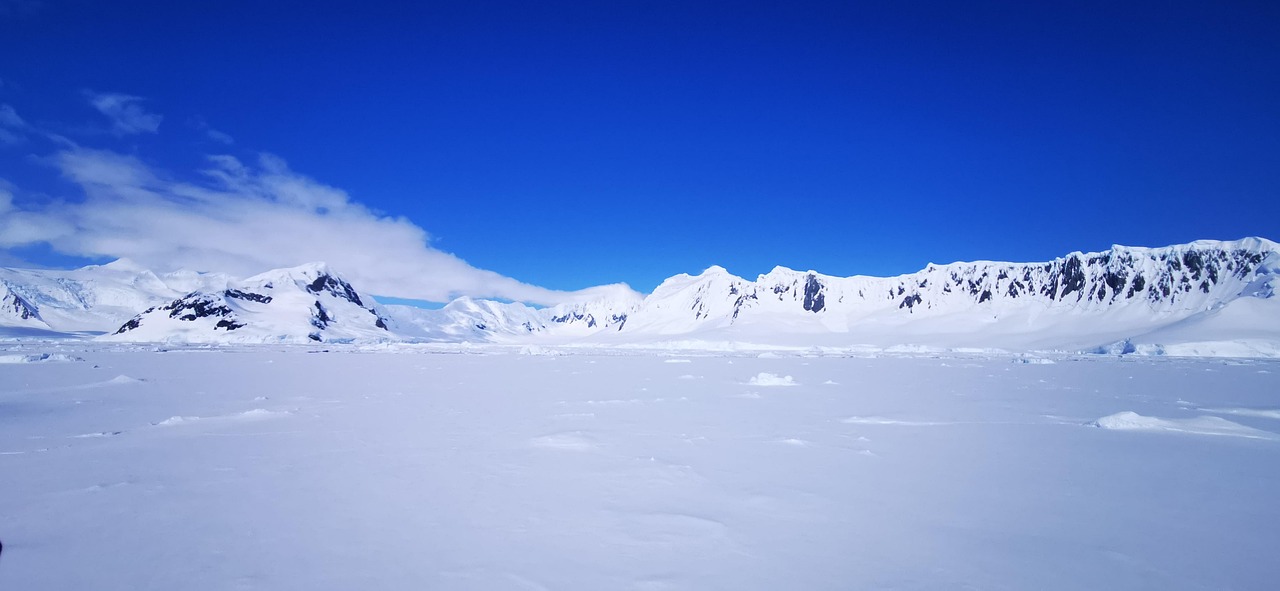
At first glance, an ice sheet looks timeless — just an endless plain of white. But slice it open, and you’ll find layer after layer of compressed snow, each one recording a single year of history. Like pages in a book, these layers can be read. Dust, volcanic ash, sea salt, and even pollen are sealed inside, capturing the world as it was when that snow fell.
Air Bubbles From the Distant Past
The most precious part of an ice core isn’t the ice itself — it’s the tiny air bubbles trapped within. Each one is a miniature time capsule of ancient atmosphere, perfectly preserved. By analyzing the gases inside these bubbles, scientists can reconstruct levels of carbon dioxide, methane, and nitrous oxide going back nearly a million years. The results show rhythmic swings between ice ages and warmer periods — and one alarming truth: Today’s CO₂ concentration is higher than at any point in the last 800,000 years.
A Frozen Record of Catastrophes
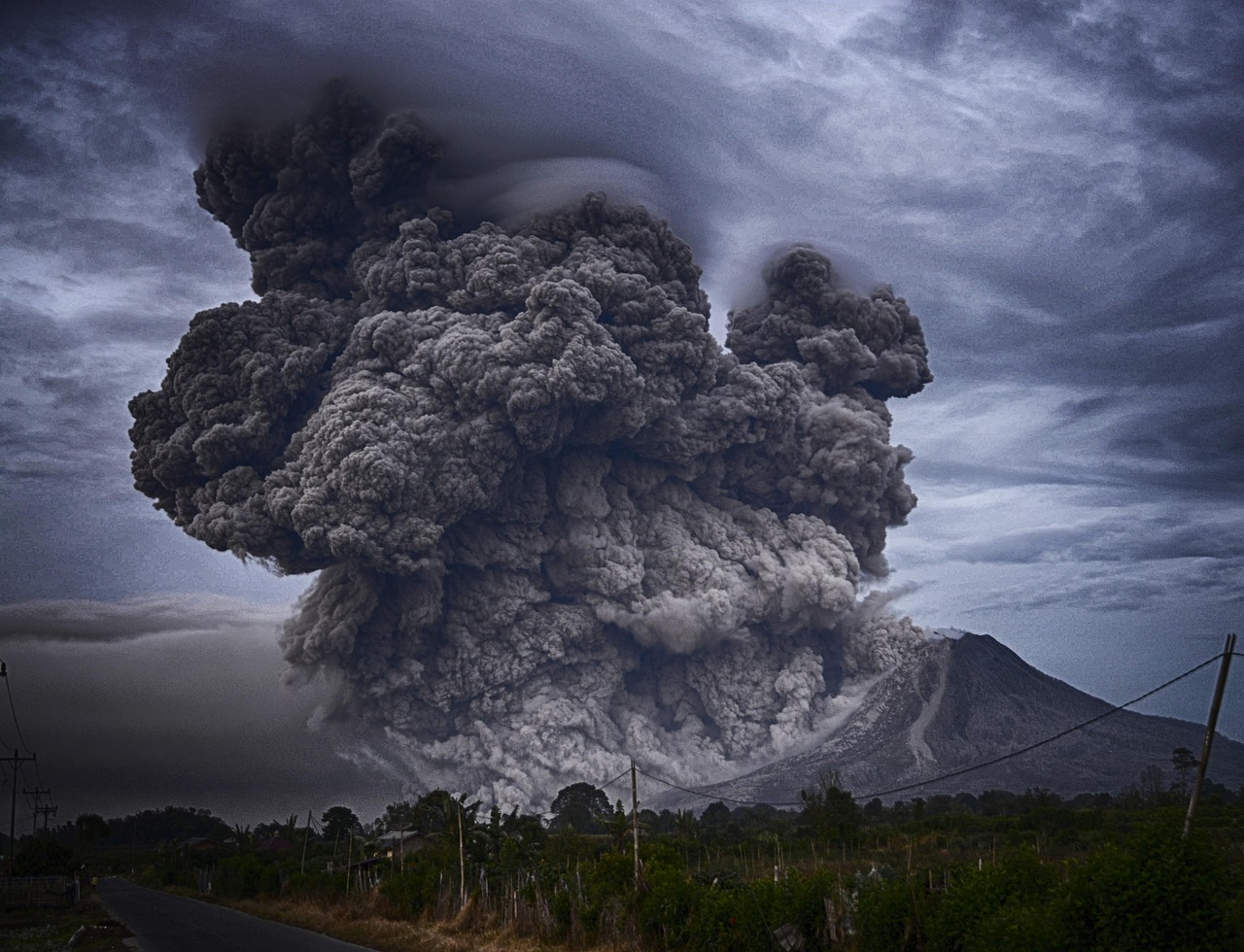
Ice cores also hold evidence of volcanic eruptions, detected as thin, dark layers of sulfate-rich dust. The eruption of Mount Tambora in 1815, which caused the ‘Year Without a Summer,’ appears clearly in the Greenland ice record. Likewise, spikes of heavy metals reveal the beginning of the Industrial Revolution, when humans first began altering the air chemistry of the planet. Some researchers even debate whether the atomic bomb tests of the 20th century will leave a permanent ‘stratigraphic signal’ in future ice.
What Can Ice Tell Us About Tomorrow
Ice-core research helps scientists predict how quickly ice sheets might melt and how rising greenhouse gases will alter global patterns. By comparing today’s rapid changes with the slow transitions of the past, we see just how far outside the planet’s natural rhythm we’ve drifted.
Coral Reefs: The Ocean’s Memory Keepers
Rings Beneath the Waves
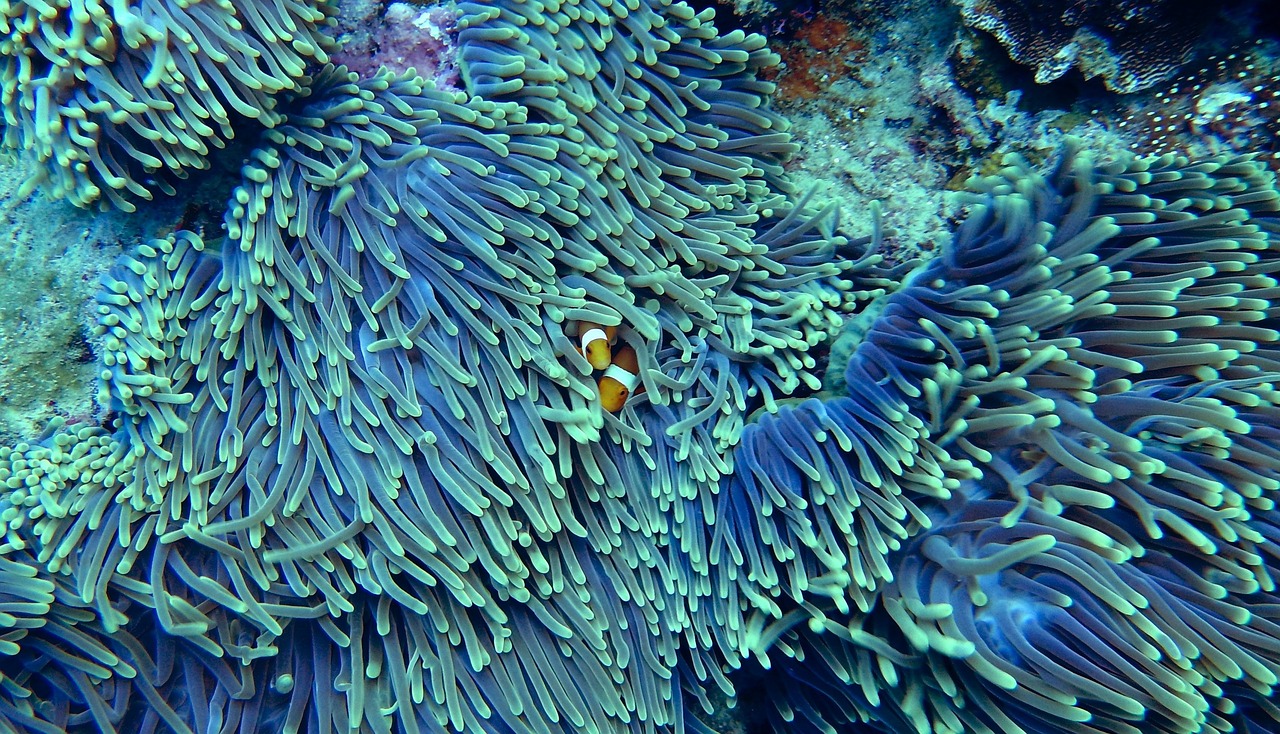
In tropical seas, corals build vast limestone skeletons that rise like underwater cathedrals. As they grow, they lay down annual growth bands, much like the rings in a tree. These bands record the temperature, salinity, and chemical composition of the surrounding water. By drilling slender cores from old coral heads, researchers can read centuries of oceanic change — from subtle temperature shifts to massive El Niño events that reshaped weather across the globe.
The Ocean’s Chemical Signiture
Corals absorb oxygen isotopes from seawater as they grow. The ratio between heavier and lighter isotopes changes with ocean temperature and rainfall. By measuring these ratios, scientists can reconstruct ancient sea surface temperatures and rainfall patterns with surprising precision. This allows researchers to identify long-term climate cycles like the Pacific Decadal Oscillation — swings that influence global droughts, fisheries, and monsoons.
A Record of Human Influence
Coral cores don’t just record nature’s rhythms — they capture humanity’s fingerprints too. Since the late 19th century, coral chemistry has shifted due to acidifying oceans, warming temperatures, and pollution runoff. Corals growing near industrialized coasts show higher levels of lead and heavy metals — silent witnesses to the Anthropocene. When coral bleaching occurs, the white scars remain visible in the layers — like trauma lines in bone — chronicling times when ocean heat exceeded life’s tolerance.
A Window Into The Ocean’s Future
Coral records reveal that today’s warming trend is unlike anything in the past few millennia. While oceans have always fluctuated naturally, modern changes are happening at speeds that outpace coral adaptation. Understanding these past cycles is key to predicting which reefs might survive and which could disappear.
Tree Rings: Silent Witnesses of Change
The Language of Wood
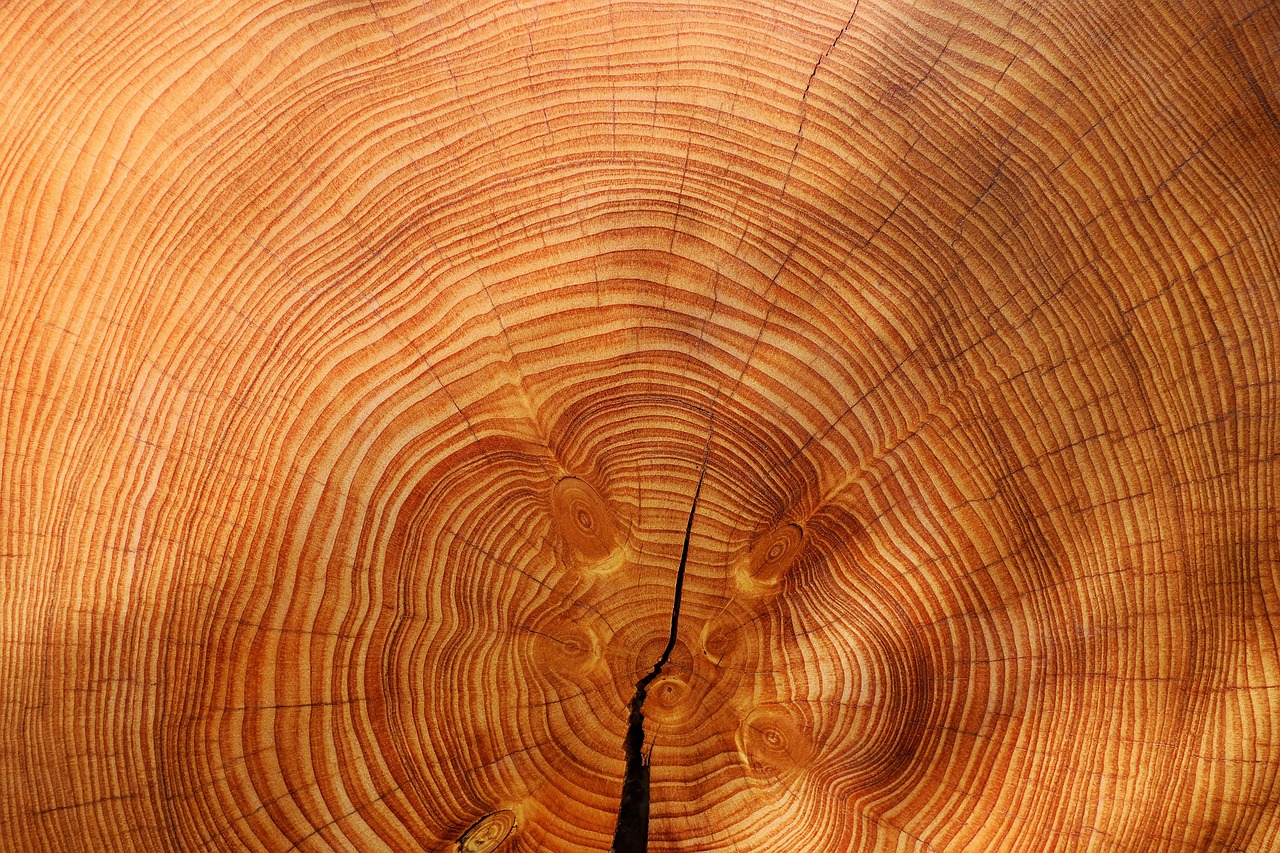
Every tree is a storyteller, writing its autobiography one ring at a time. A thick, light-colored ring marks a warm, wet year of growth; a thin, dark ring speaks of drought or cold. By comparing overlapping tree-ring patterns from living trees, fallen logs, and even ancient wood found in archaeological sites, scientists can build continuous climate records that span thousands of years — a field known as dendrochronology.
Clues Hidden in the Rings
Tree rings do more than reveal age or rainfall. They contain isotopic and chemical traces that can point to volcanic eruptions, forest fires, and even solar activity. For example, narrow tree rings from around the year 536 CE correspond to a mysterious global cooling event — now believed to have been caused by a massive volcanic eruption that darkened skies worldwide.
Trees and Human History
Tree-ring studies have helped archaeologists date Norse settlements in Greenland, Ancestral Puebloan ruins in the U.S. Southwest, and even ancient temples in Japan. They’ve also shown how megadroughts may have driven the collapse of entire societies — such as the Mayan civilization and early North American cultures dependent on stable rainfall. Each ring connects biology, climate, and human survival in one elegant circle.
When Records Align: Earth’s Story in Stereo
The true power of these natural archives emerges when scientists combine them. Ice cores, coral, and tree rings all record different parts of the same climate symphony — atmosphere, ocean, and land — and when their data align, the results are stunningly consistent. For example: Ice cores reveal a massive volcanic eruption. Tree rings from the same decade show dramatically reduced growth. Coral records confirm a short-term drop in sea surface temperature. That threefold agreement provides bulletproof evidence of global-scale change. By synchronizing these datasets, scientists can reconstruct the planet’s past climate in remarkable detail, sometimes down to individual years.
The Power of Earth’s Memory
Earth’s natural time capsules do more than satisfy curiosity — they provide context. When we compare today’s atmospheric data to ice-core records, or modern ocean heat to coral isotopes, we see how extraordinary our current era is. For most of Earth’s history, climate shifts happened gradually — over thousands of years. Today, we’re seeing comparable changes within a single human lifetime. The difference isn’t just in temperature; it’s in speed. These time capsules tell us that while the planet can adapt, it needs time — and we’re taking that time away. Still, the very existence of these records is hopeful. They remind us that the planet has endured extremes before and recovered — if given the chance.
Closing Thought: Listening to the Earth’s Archive
We often think of science as forward-looking — rockets, AI, renewable energy. But some of the most important insights come from looking backward, deep into the planet’s own library. The next time you walk through a forest or snorkel over a reef, remember that the world around you is recording itself — silently, layer by layer. The ice remembers. The coral remembers. The trees remember. All we have to do is learn to listen. To learn more about how animals have helped shape earths surface, check out our article: Nature’s Hidden Engineers: How Animals Shape Earth’s Surface.