When we picture the forces that sculpt Earth’s surface, we think of volcanoes, rivers, and wind. But beneath our feet — and often right before our eyes — animals have been quietly remodeling the planet for millions of years. From tiny termites raising towering soil cities to beavers redirecting entire rivers, these hidden engineers are nature’s architects. Their work builds habitats, shapes ecosystems, and even influences climate stability. Let’s explore how some of Earth’s most remarkable creatures literally move the land as nature’s engineers.
Beavers: The Original Dam Builders
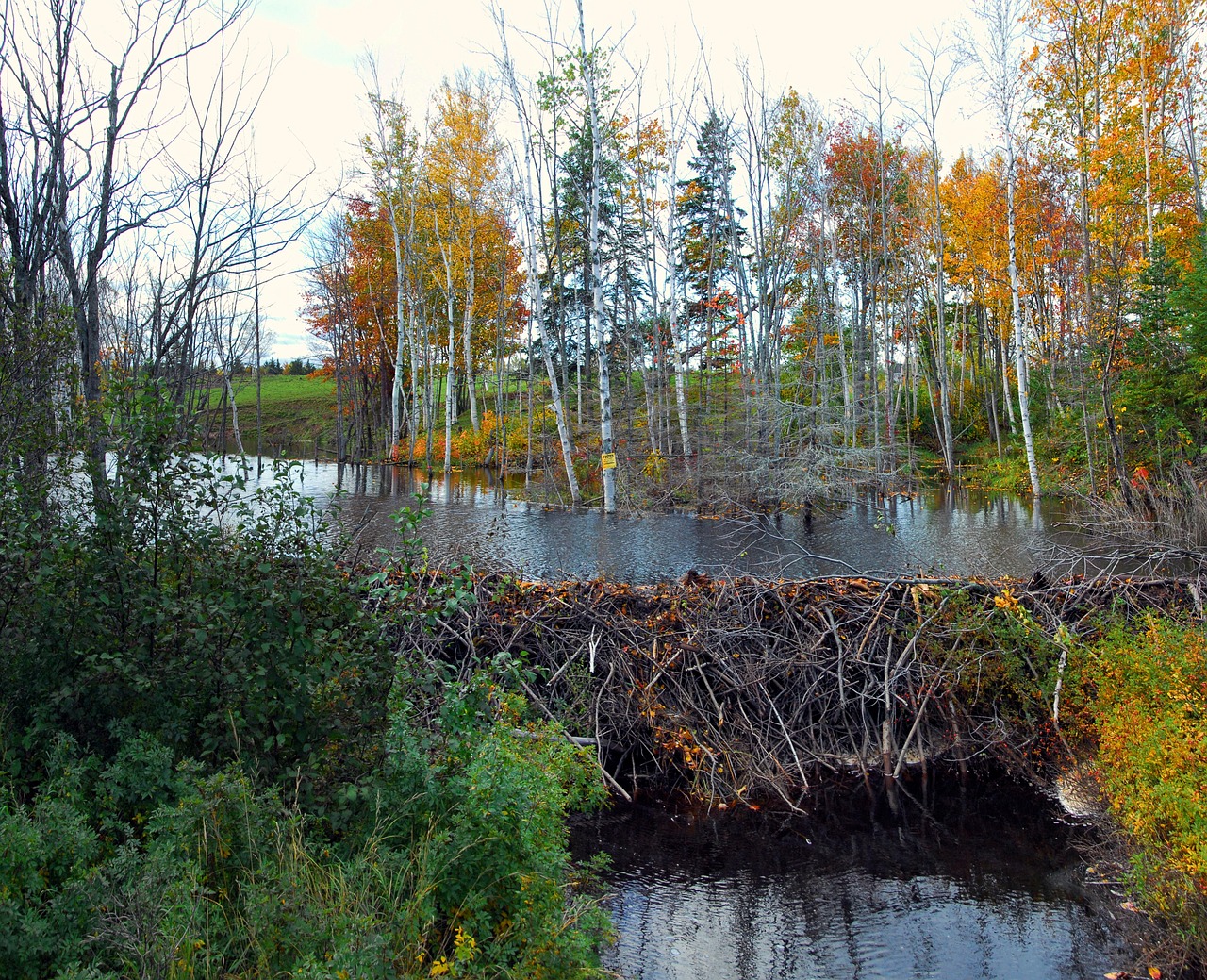
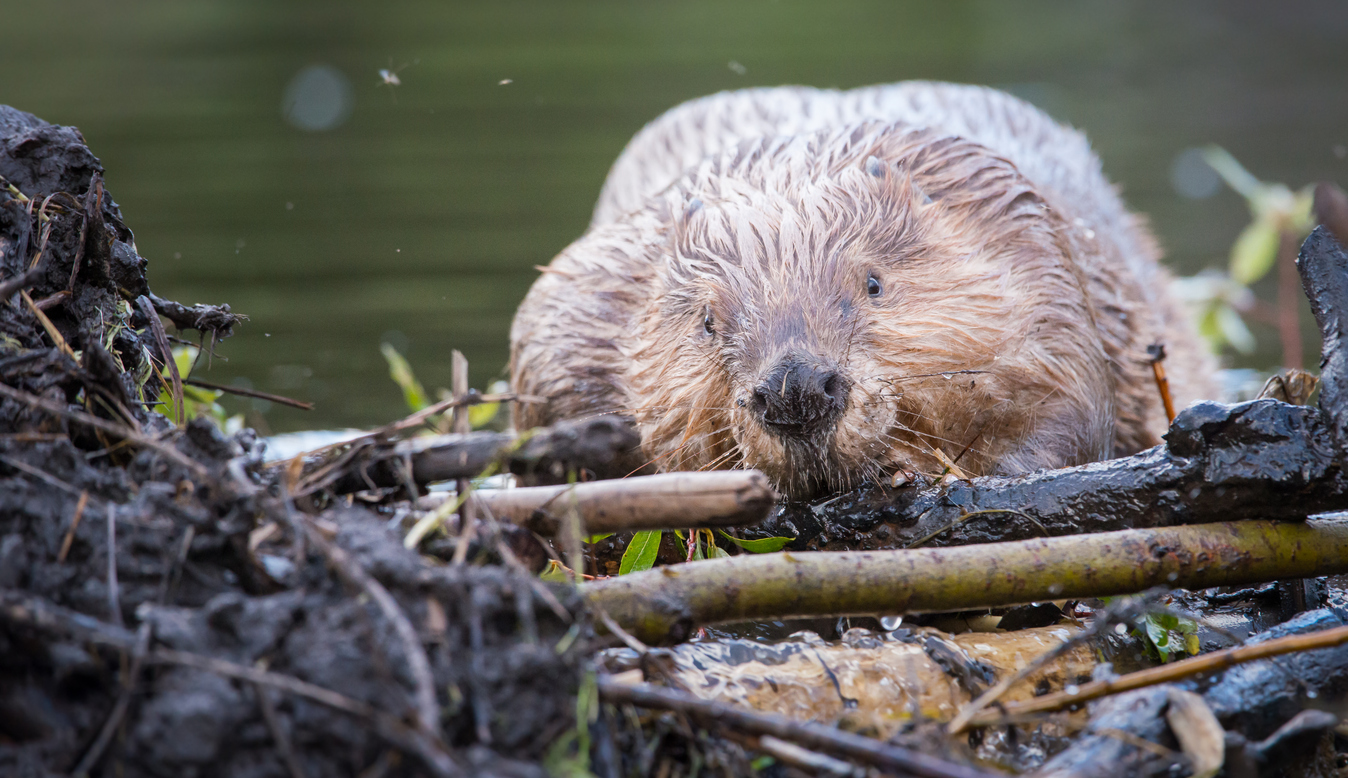
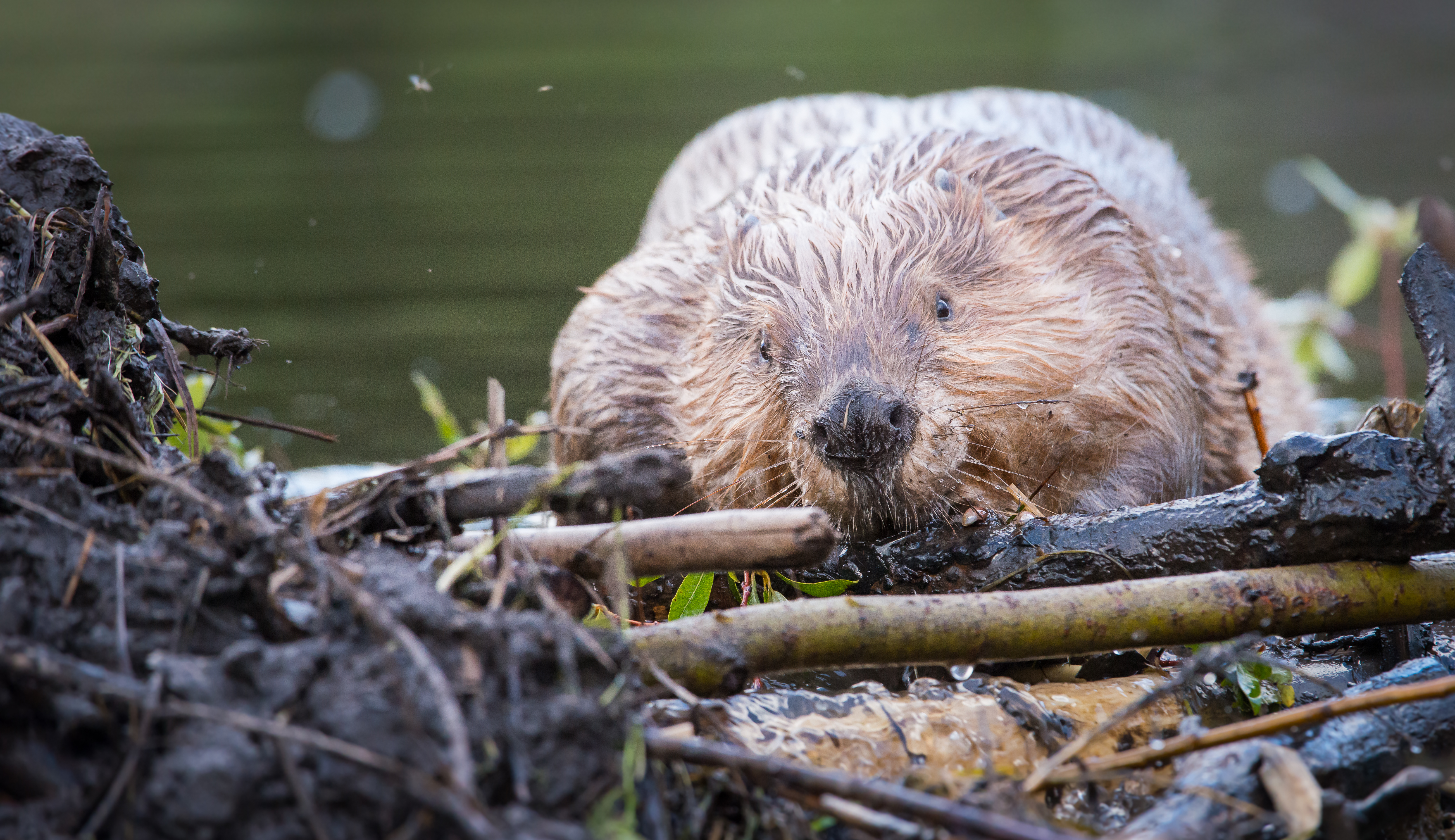
Beavers are the textbook example of nature’s engineers. By felling trees and constructing dams, they flood valleys, creating ponds that slow erosion, filter sediment, and nurture wetlands teeming with fish, amphibians, and birds. Scientists have even found that beaver ponds store carbon and reduce downstream flooding — making them tiny climate regulators. When beavers return to abandoned areas, entire landscapes transform within years, proving that nature’s best builders don’t always wear hard hats. To learn more about beavers check out our other articles, Why do beavers build dams? and What do beavers eat?
Elephants: The Bulldozers of the Savanna
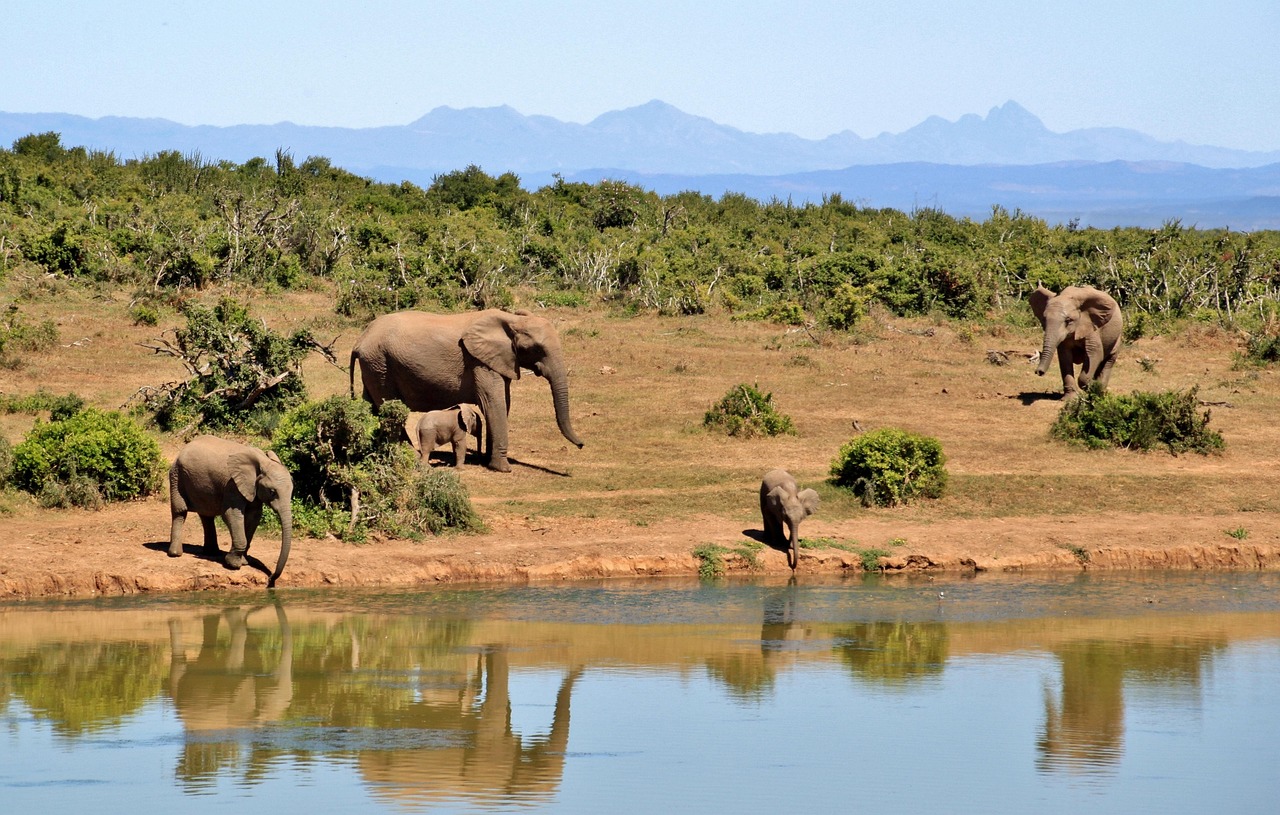
In Africa and Asia, elephants act as both gardeners and bulldozers. As they travel, they push down trees, carve new trails, and spread seeds through their dung. This constant disturbance prevents grasslands from turning into forests, maintaining open plains where antelope, zebras, and predators thrive. In tropical forests, elephants open clearings that let sunlight reach the forest floor — sparking bursts of plant diversity. Without elephants, landscapes grow denser, rivers change course, and biodiversity declines. Their absence leaves a literal imprint on the land.
Termites: Earth’s Underground Engineers
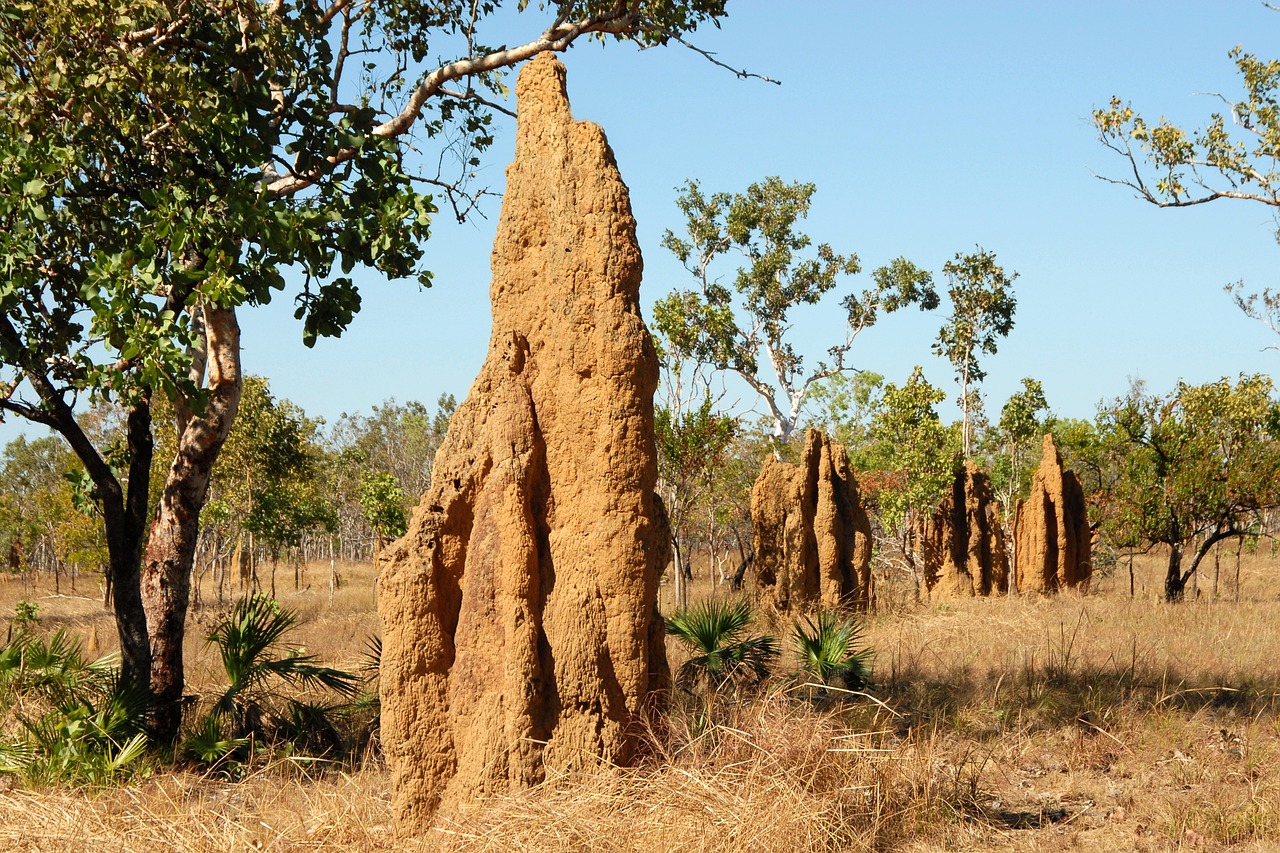
They might be small, but termites are geological powerhouses. Their mounds, some standing over 25 feet tall, are massive soil mixers. Termites pull minerals from deep underground, enrich the surface with nutrients, and aerate compacted ground. Across Africa, satellite images show termite mounds acting as ‘fertility islands,’ supporting vegetation during drought. Over centuries, their activity creates visible patterns on the savanna, influencing where plants — and even trees — grow.
Burrowing Reptiles: the Subterranean Sculptors
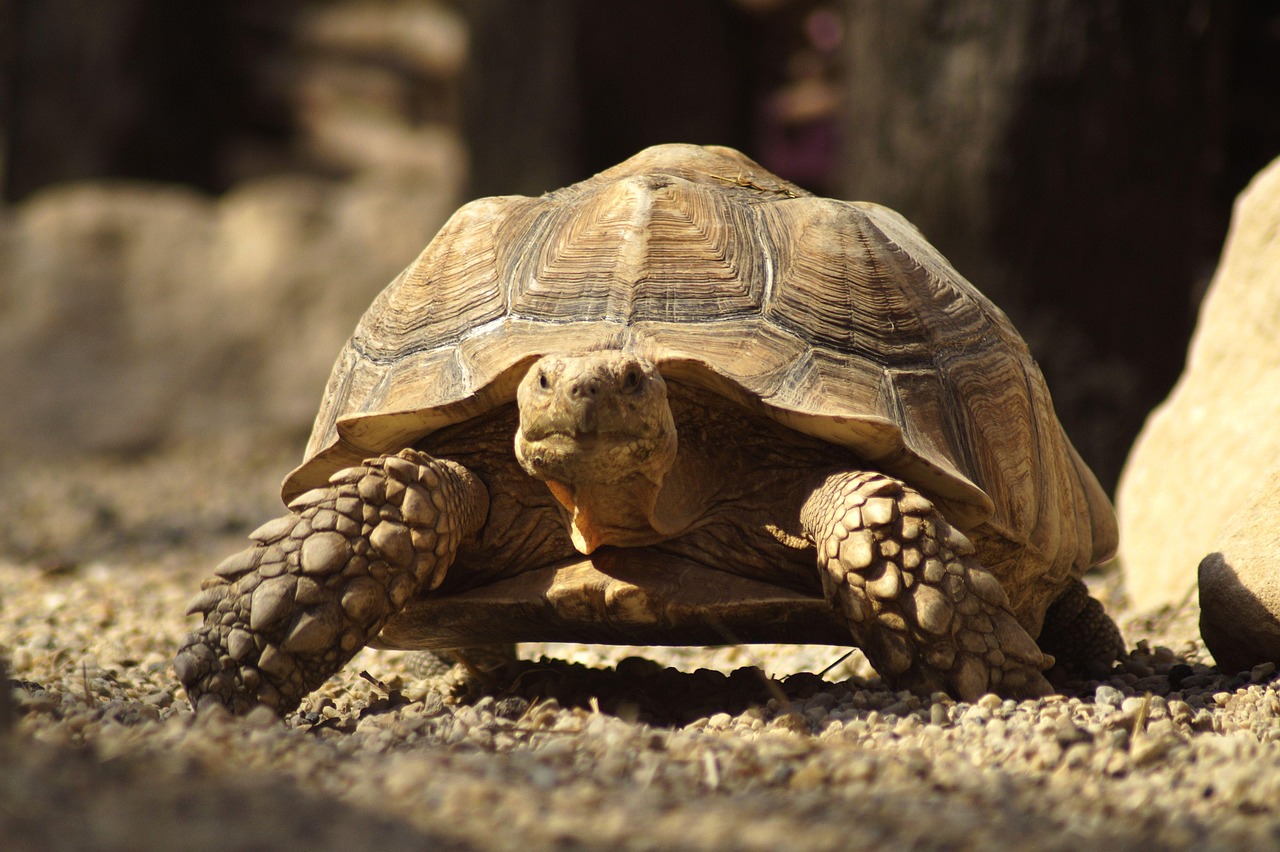
From tortoises to sand boas, burrowing reptiles quietly shape dry ecosystems. Their tunnels offer shelter not just for themselves, but for countless other species — snakes, owls, and small mammals reuse these abandoned burrows. This ‘ecosystem recycling’ keeps arid landscapes habitable, preventing erosion and maintaining microclimates underground.
Rodents: Nature’s Little Excavators
Prairie dogs, pocket gophers, and marmots churn the soil across continents. In North America, prairie dog colonies improve water infiltration, reduce compaction, and serve as grazing hotspots for bison and pronghorn. A single prairie dog town can influence thousands of acres of grassland hydrology, functioning like natural aeration systems for the soil.
Coral Polyps: Builders of Underwater Continents
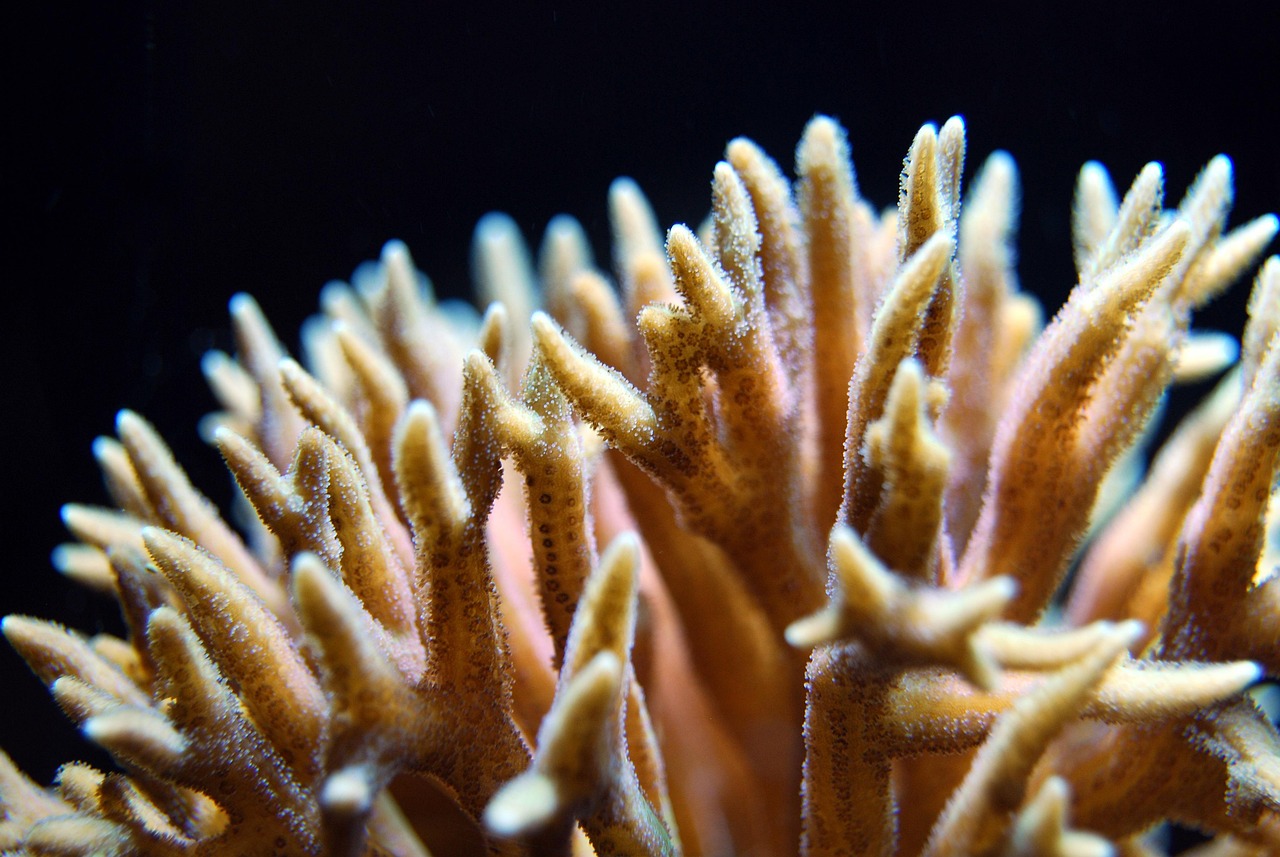
Zoom out to the ocean, and coral polyps — tiny animals related to jellyfish — are the foundation of massive reef structures visible from space. Each polyp extracts calcium from seawater to build a hard skeleton. Over millennia, these grow into coral reefs that protect coastlines, buffer waves, and nurture a quarter of all marine species. When coral dies, entire coastlines lose their living breakwaters — proof that the smallest animals can engineer on continental scales.
Birds: Feathered Landscapers
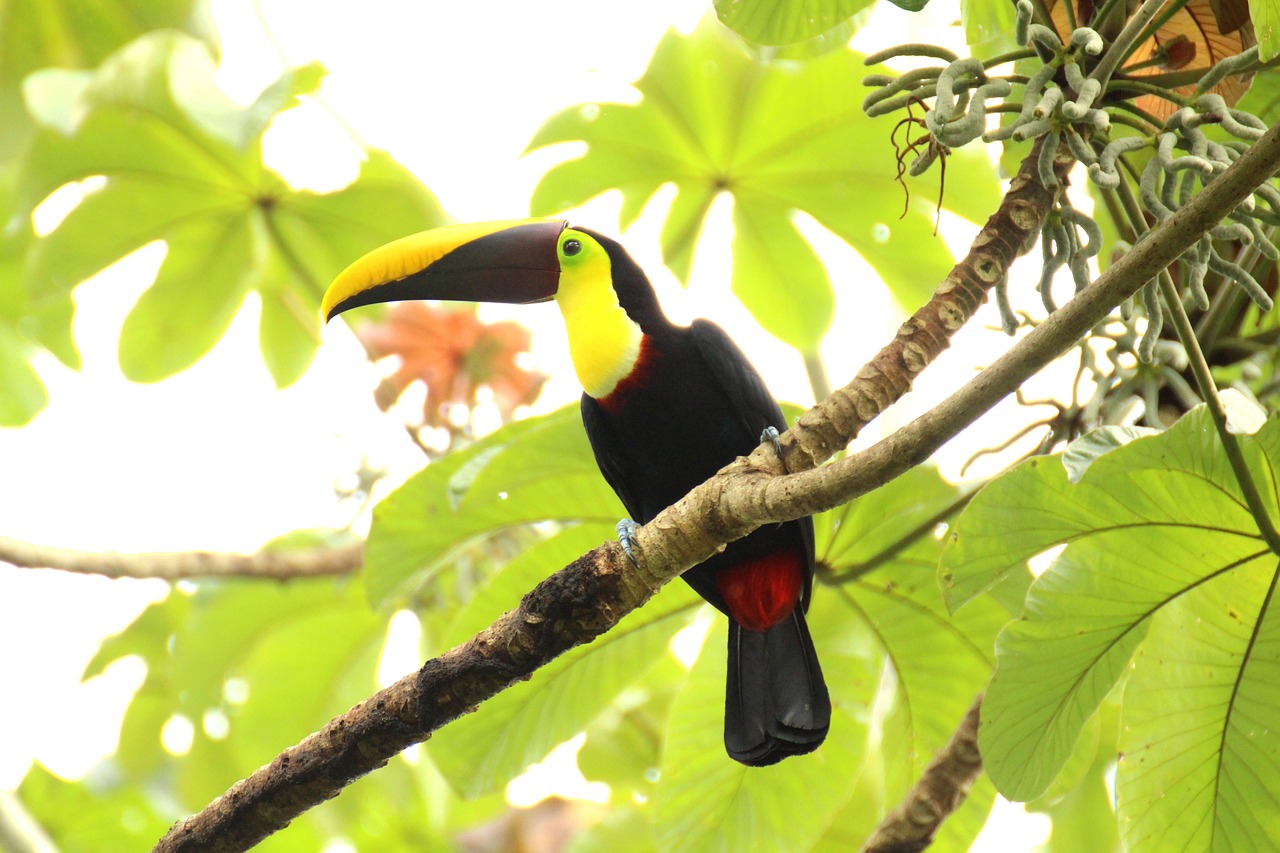
Birds don’t just migrate — they move nutrients and seeds across ecosystems. Seabirds deposit nitrogen-rich guano on islands, fertilizing barren rock into lush vegetation. Meanwhile, tropical fruit-eaters like toucans and hornbills scatter seeds far from parent trees, maintaining forest diversity. Even woodpeckers contribute: the cavities they drill later house owls, bats, and insects, linking forest structure to animal behavior.
Earthworms: The Quiet Revolutionaries Beneath Our Feet
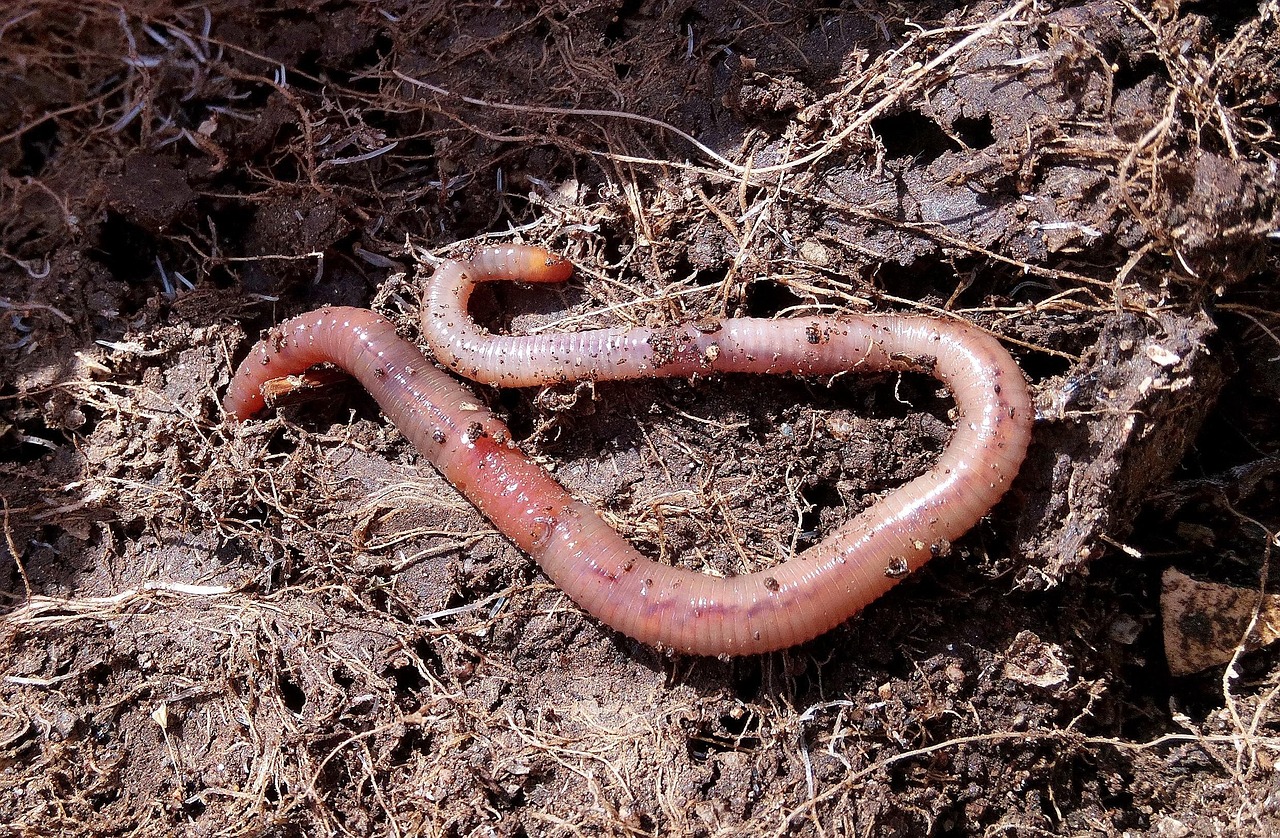
Charles Darwin once wrote that ‘no other animal has played so important a part in the history of the world’ as the earthworm. By constantly eating and excreting soil, earthworms recycle nutrients, mix organic matter, and keep soil porous. They literally create the foundation of fertile land — one mouthful at a time.
The Bigger Picture: Life Shapes The Planet
From the microscopic to the massive, animals constantly remodel Earth’s crust. Scientists call this process bioturbation — the biological stirring of soil and sediment. Long before humans built cities, these creatures were altering drainage patterns, cycling nutrients, and reshaping the terrain. Without them, erosion would increase, fertility would collapse, and ecosystems would unravel. In a sense, life isn’t just living on Earth — it’s building it.
Closing Thoughts
Next time you see a beaver dam or a mound of dirt from a worm or prairie dog, remember: you’re looking at geology in motion — driven by biology. The planet we know today isn’t just sculpted by wind, water, and time. It’s crafted by teeth, claws, wings, and wills — the hidden engineers of Earth.
Hello, I’m Mindy Russel and I have had a fascination with animals and wildlife since I could talk. I was obsessed with animal toys, posters, and books, and would always be watching the nature channel on TV.
Learning about how animals created a safe space for me growing up, and I felt connected to each one I read about. I have always told anyone who will listen wacky and wonderful facts about wildlife.