Picture a summer morning: the hum of bees, a monarch drifting past, fireflies glowing in twilight. These aren’t just background details of nature — they’re lifelines of our ecosystems. Pollinators are the invisible workers who make sure our gardens bloom, our orchards fruit, and our coffee beans ripen.
In this guide, we’ll dig deep into pollinators: who they are, how they work, the surprising cast of characters beyond bees, and how you can play a part in protecting them. If you think you already know pollinators, prepare to be surprised.
What Is A Pollinator, Really?
At its simplest, a pollinator is any animal that transfers pollen from one flower to another, allowing plants to reproduce. But the diversity of pollinators goes far beyond the honeybee.
The Famous Few: honeybees, bumblebees, monarchs, hummingbirds.
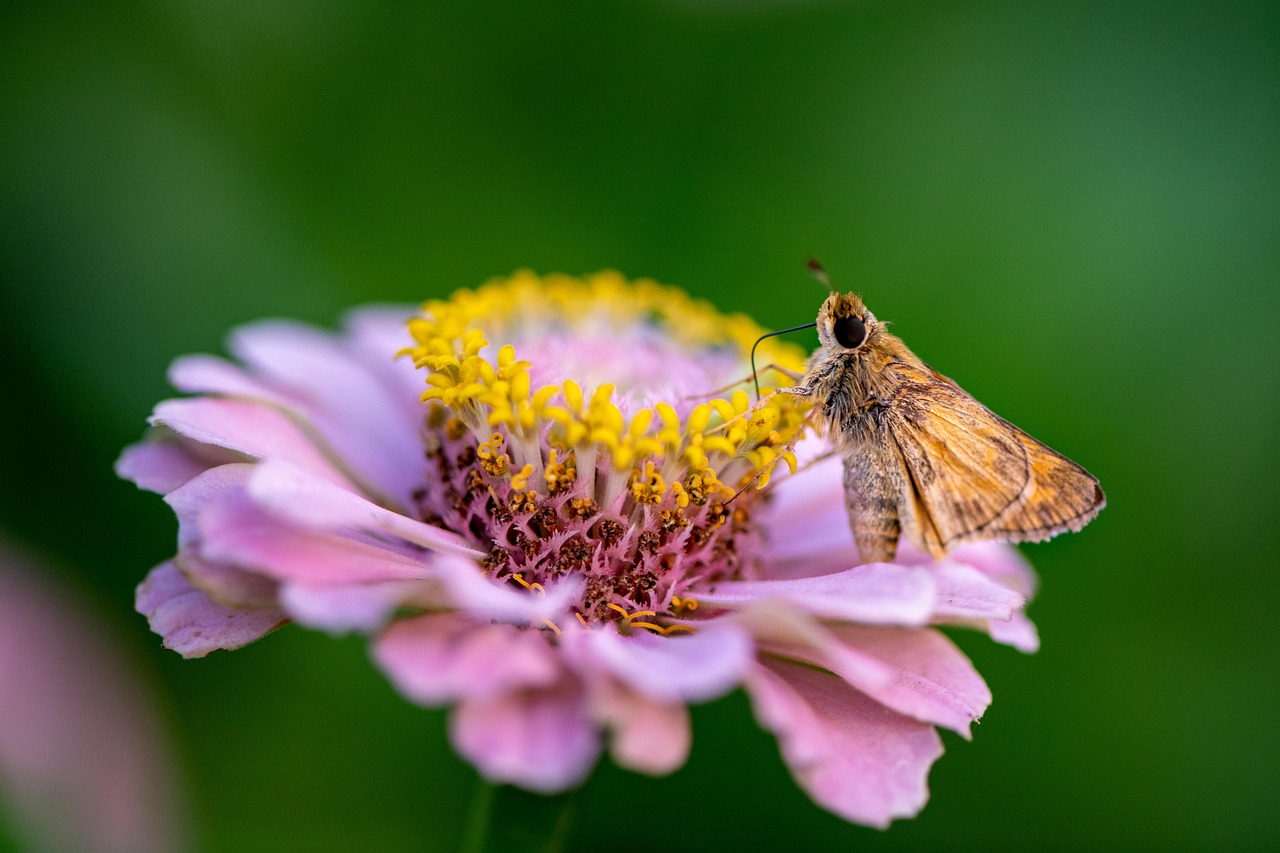
The Overlooked Many: flies, wasps, beetles, bats, ants, moths, even small mammals.
The Accidental Helpers: lizards on tropical islands, squirrels brushing flowers as they forage, monkeys sipping nectar.
👉 Did you know? Roughly one in every three bites of food you eat comes from pollinator activity. Without them, chocolate, coffee, apples, and berries would become luxury items — if they existed at all.
How Pollination Works
Pollination isn’t random; it’s a centuries-old dance between flower and visitor.
Color codes: Bees can see ultraviolet light; flowers paint invisible nectar guides to lead them like airport runways.
Scent signals: Moths follow powerful perfumes at night. Orchids sometimes mimic female insect pheromones to trick males.
Specialized tools: Hummingbirds with long beaks match tubular flowers; short-tongued bees prefer open, shallow blooms.
Buzz pollination: Bumblebees grip flowers and vibrate at just the right frequency to shake loose stubborn pollen — essential for crops like tomatoes and blueberries.
👉 Imagine: every flower in your garden has a “secret handshake,” and pollinators have learned them all.
Meet the Pollinators
🐝 Bees — The Workaholics
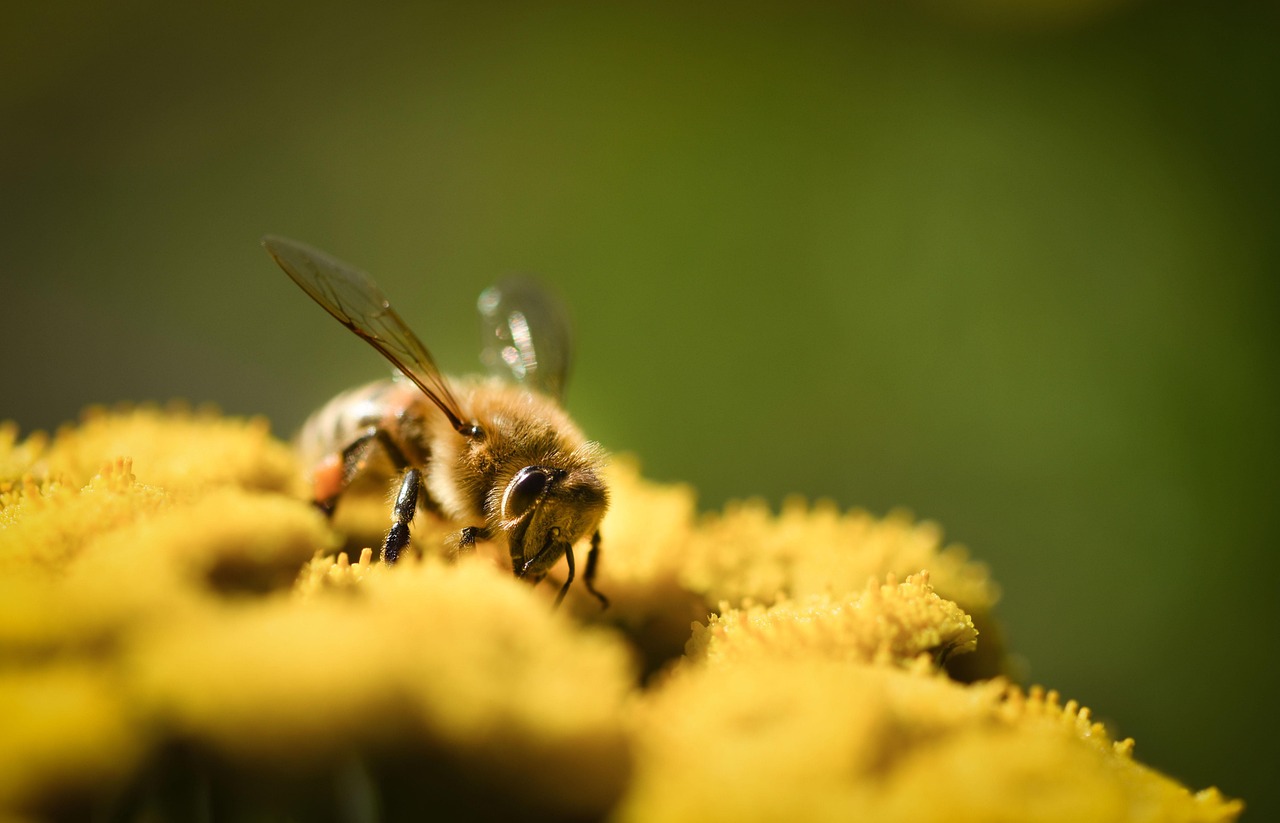
20,000+ species worldwide, from tiny sweat bees to chunky carpenter bees.
Honeybees get the spotlight, but native solitary bees often pollinate more efficiently.
Many live alone, nesting in soil, hollow stems, or dead wood. 👉 Surprise fact: Mason bees pollinate 95% of flowers they visit, compared to honeybees’ ~5%.
🦋 Butterflies — The Wanderers
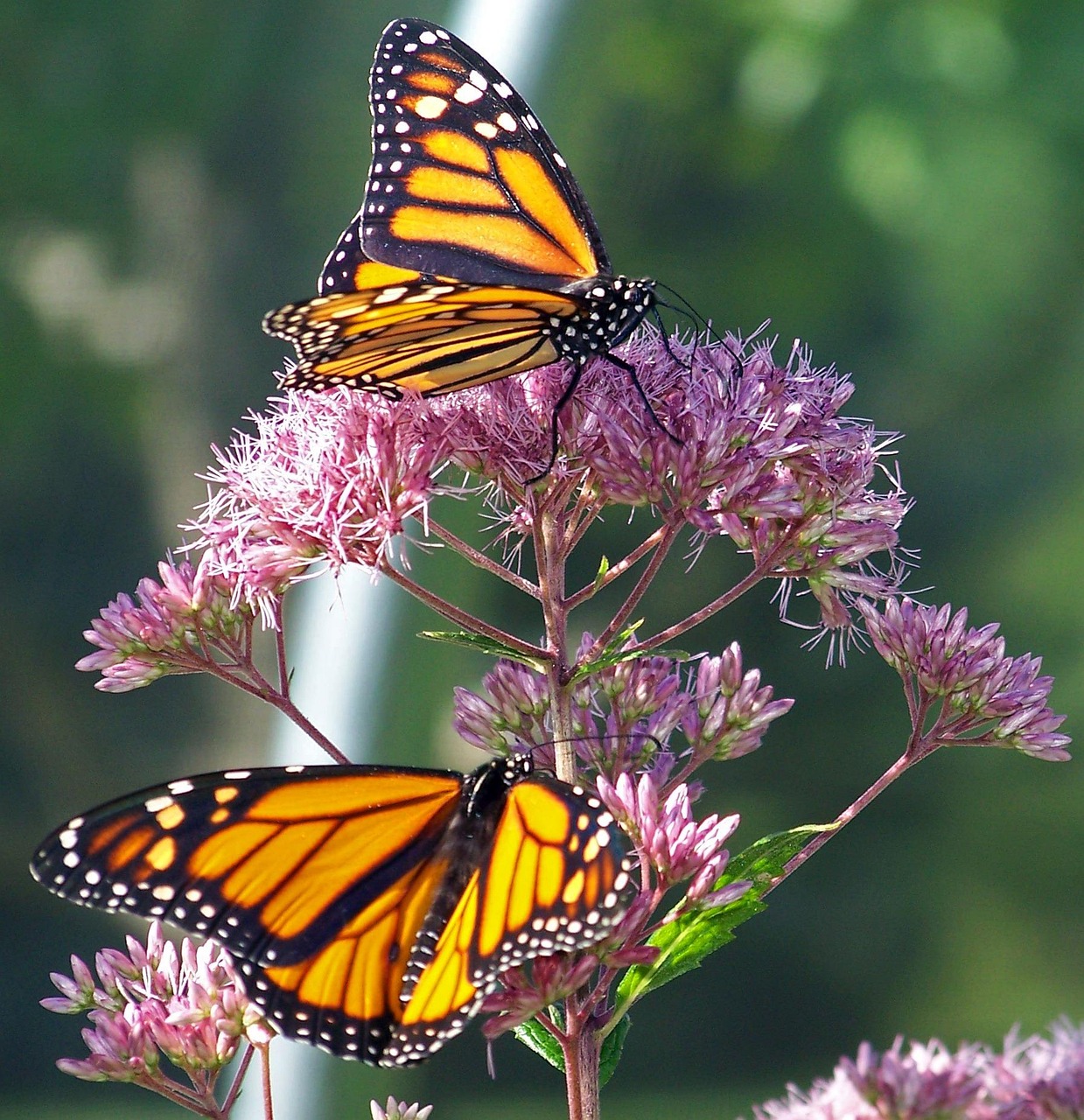
Iconic and fragile, they’re critical for long-distance pollen transfer.
Monarchs travel thousands of miles, linking ecosystems across North America.
Prefer bright flowers with flat “landing pads.” 👉 Action tip: Plant milkweed in your garden to support monarch migration.
🦇 Bats — The Night Shift
Pollinate cacti, bananas, and agave (no bats = no tequila!).
Carry pollen across vast areas under cover of night.
🪲 Beetles — The Originals
The first pollinators in evolutionary history (200 million years ago).
Known as “mess-and-soil” pollinators because they often chew petals while working.
🐦 Birds — The Nectar Thieves
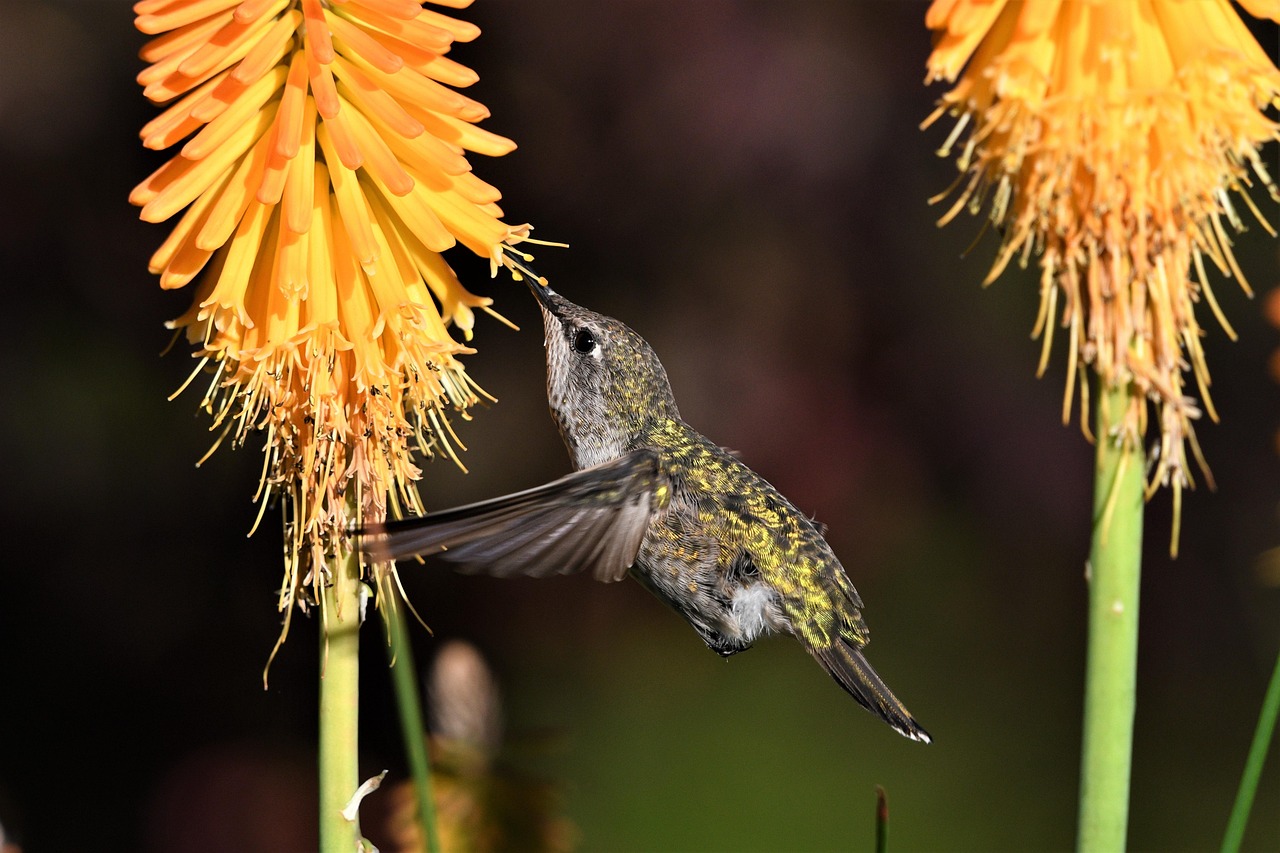
Hummingbirds, sunbirds, and honeyeaters specialize in nectar feeding.
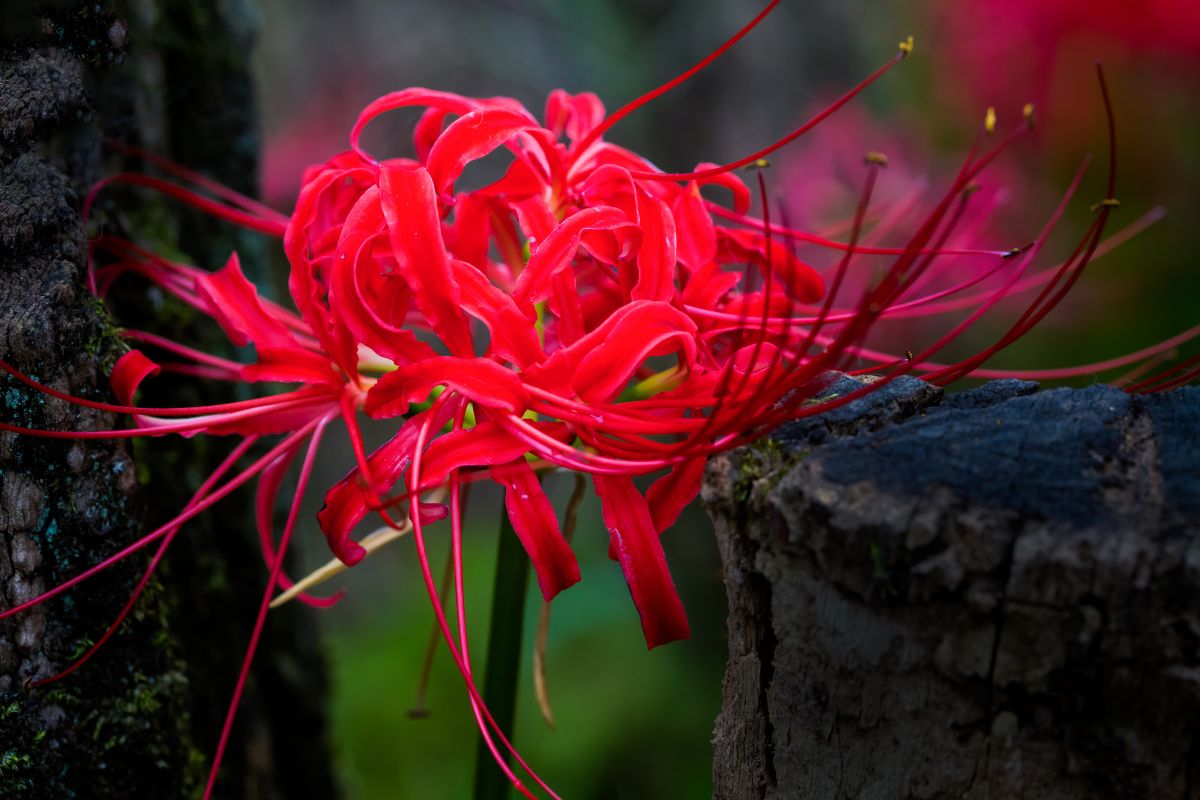
Their favorite flowers are often red, a color bees ignore.
🦟 Flies, Wasps & Others — The Overlooked
Hoverflies mimic bees but don’t sting; they are major spring pollinators.
Wasps pollinate figs and orchids.
Even mosquitoes drink nectar before blood meals. Why Pollinators Matter (Beyond Food)
Ecosystem backbone: 80% of flowering plants rely on pollinators.
Economic impact: Pollinator services are worth $235–577 billion annually.
Cultural influence: Ancient Egyptians worshipped scarabs; Native American traditions tell butterfly stories as symbols of renewal.
Unexpected benefits: Fibers, oils, medicines — all tied to pollinator-dependent plants.
👉 Without pollinators, ecosystems unravel: fewer plants = less food and shelter for animals = cascading collapse.
The Pollinator Crisis
Pollinators are in decline worldwide. Key threats include:
Habitat loss: Prairies, meadows, and wetlands replaced by farms and suburbs.
Pesticides: Neonicotinoids impair bee navigation and reproduction.
Climate change: Flowers bloom earlier or later than pollinators emerge — a deadly mismatch.
Parasites & disease: Honeybees battle Varroa mites; monarchs fight parasites and habitat loss. Check out our article: Why Are Monarch Butterflies Endangered, to get more information.
Light pollution: Fireflies are disappearing as artificial light drowns out their mating signals.
👉 Example: Firefly populations have dropped by up to 45% in some regions due to light pollution and development.
How You Can Help
Even small actions add up. Here’s what individuals can do:
Plant native flowers — aim for continuous bloom from spring to fall.
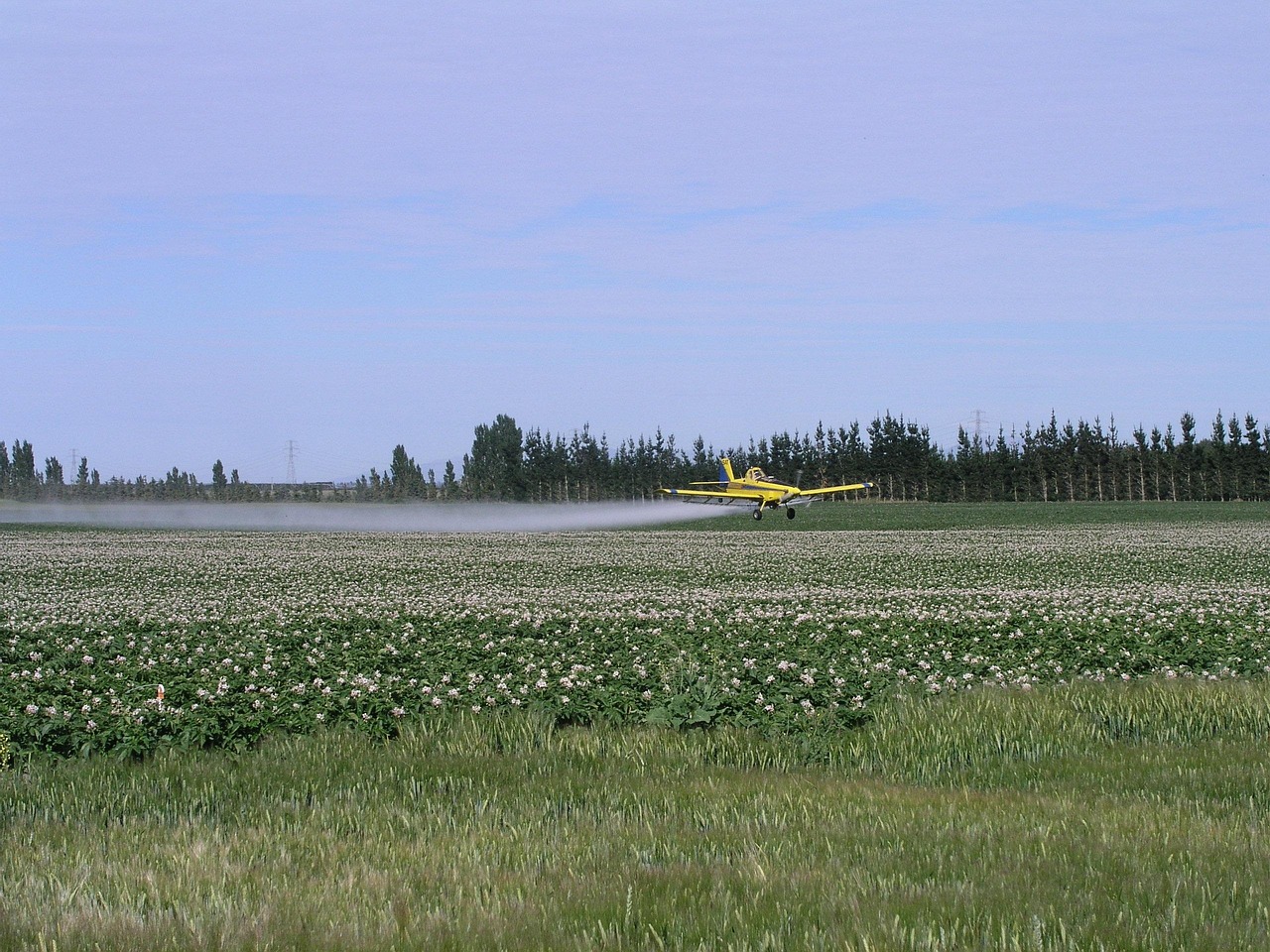
Go pesticide-free — avoid insecticides, herbicides, fungicides where possible.
Provide nesting spots — bare soil, dead wood, bee hotels, bat boxes.
Add water sources — shallow dishes with stones for safe landing pads.
Dim outdoor lighting — protect moths and fireflies.
Join citizen science — apps like iNaturalist, Monarch Watch, and Firefly Watch.
Educate & advocate — talk to neighbors, schools, and local councils. The Future of Pollinators
Urban solutions: Rooftop gardens and pollinator highways.
Tech experiments: Mini drones for artificial pollination (Japan has prototypes).
But nature wins: Nothing matches the elegance and efficiency of bees, bats, and butterflies.
Protecting pollinators means protecting ourselves. Check out our article: How to create a pollinator garden, to learn how to create a beautiful garden that also benefits pollinators.
Conclusion
The next time you sip coffee, bite into a strawberry, or watch fireflies on a warm July night, pause and remember: these everyday joys exist because pollinators worked behind the scenes.
They’re not just insects, birds, or mammals. They’re storytellers of survival and resilience. And their story is tied to ours. By protecting them, we secure a richer, more beautiful future.
Hello, I’m Mindy Russel and I have had a fascination with animals and wildlife since I could talk. I was obsessed with animal toys, posters, and books, and would always be watching the nature channel on TV.
Learning about how animals created a safe space for me growing up, and I felt connected to each one I read about. I have always told anyone who will listen wacky and wonderful facts about wildlife.