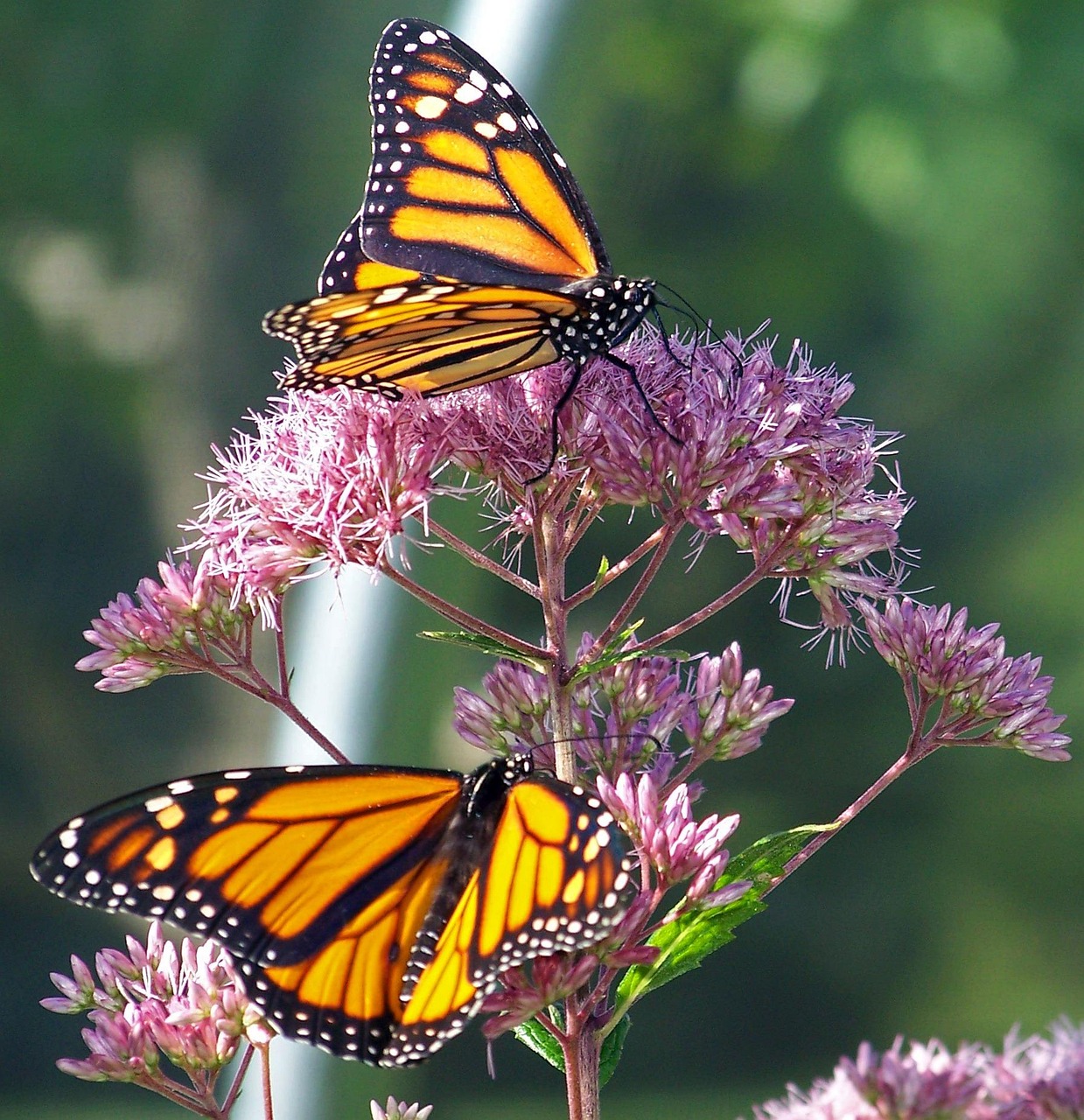
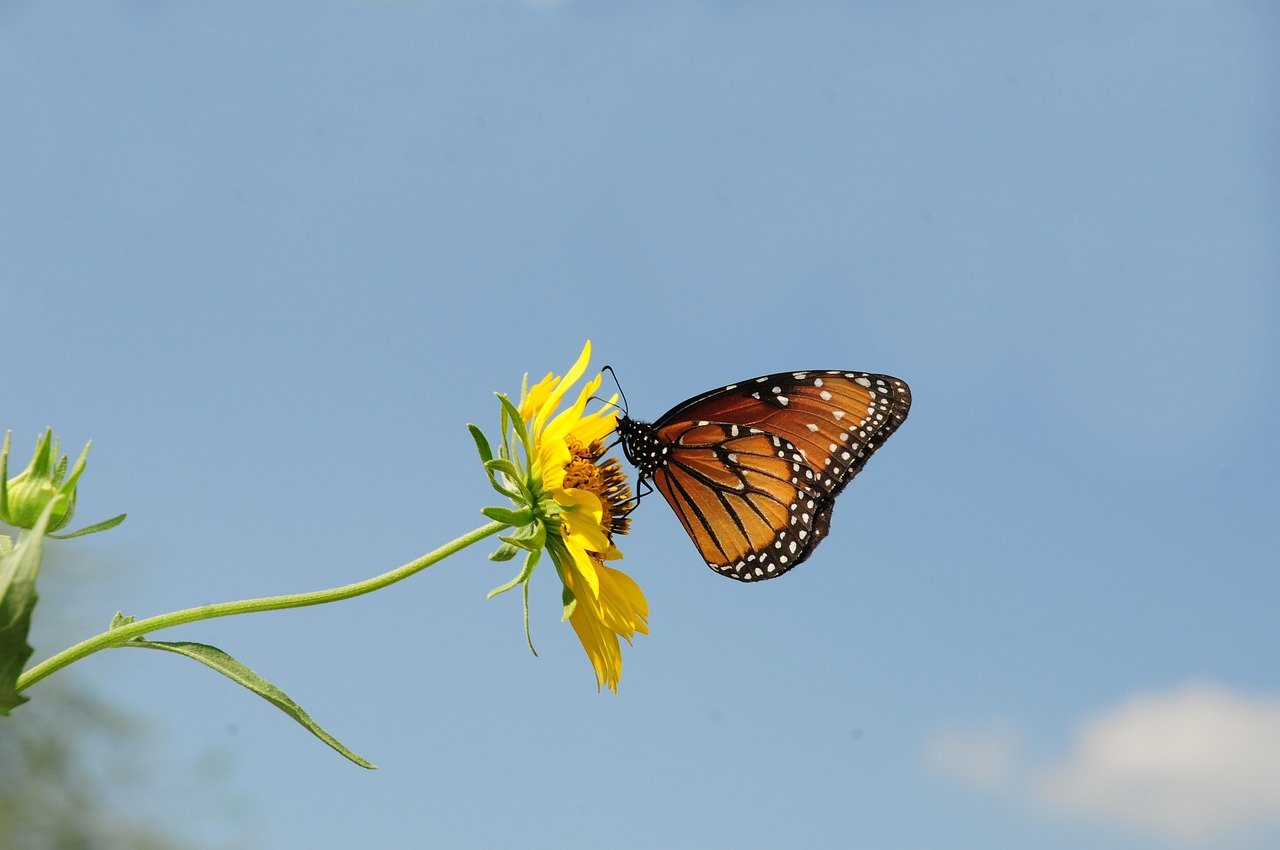
Few insects are as iconic as the monarch butterfly. Known for their bright orange wings and incredible migration journey spanning thousands of miles, monarchs are beloved symbols of resilience and beauty. But behind their beauty lies a troubling reality: monarch butterfly populations have plummeted over the past few decades. Many people notice that they don’t see as many, but most don’t know why monarch butterflies are endangered.
Scientists estimate that the eastern monarch population has declined by more than 80% since the 1990s, while western populations in the U.S. have dropped by more than 95%. These staggering numbers have led conservationists to warn that monarchs are on the brink of extinction.
But why exactly are monarch butterflies endangered? The answer is complex, involving habitat loss, climate change, and human impacts. In this article, we’ll explore the key reasons behind their decline, why it matters, and what can be done to ensure future generations still see monarchs fluttering through fields and gardens.
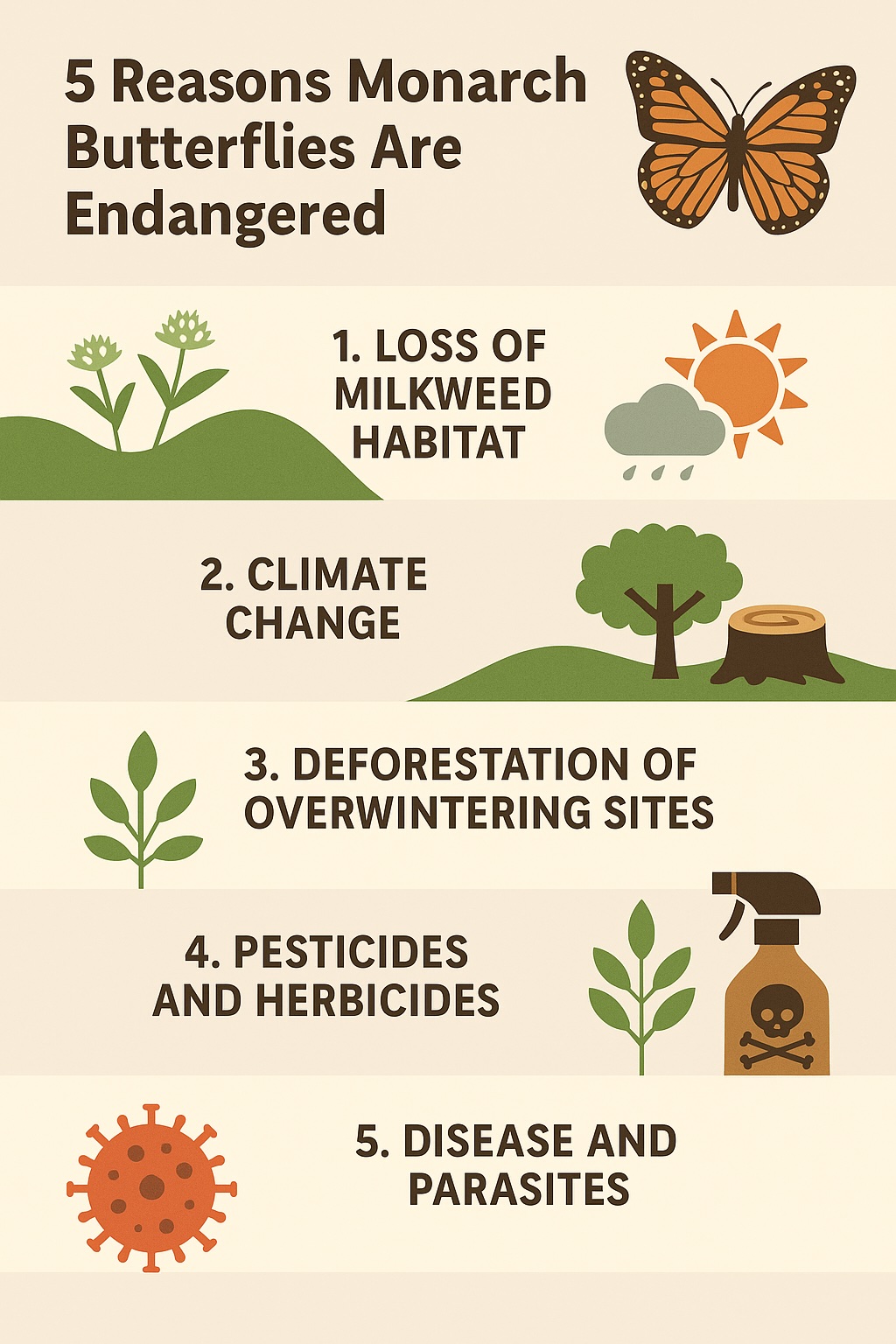
1. Loss of Milkweed Habitat
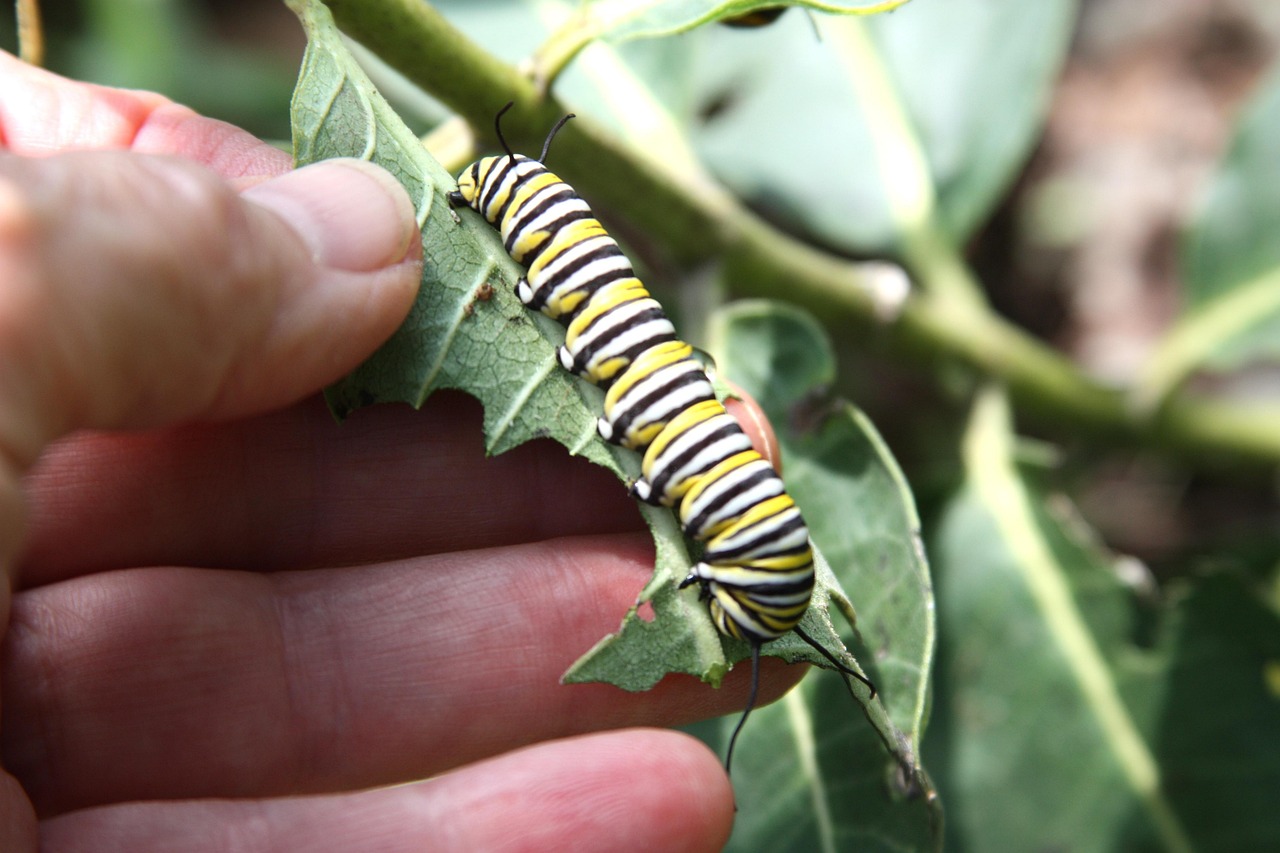
Monarch caterpillars feed exclusively on milkweed plants (genus Asclepias). Without milkweed, monarchs cannot reproduce. Unfortunately, milkweed has been disappearing across North America due to:
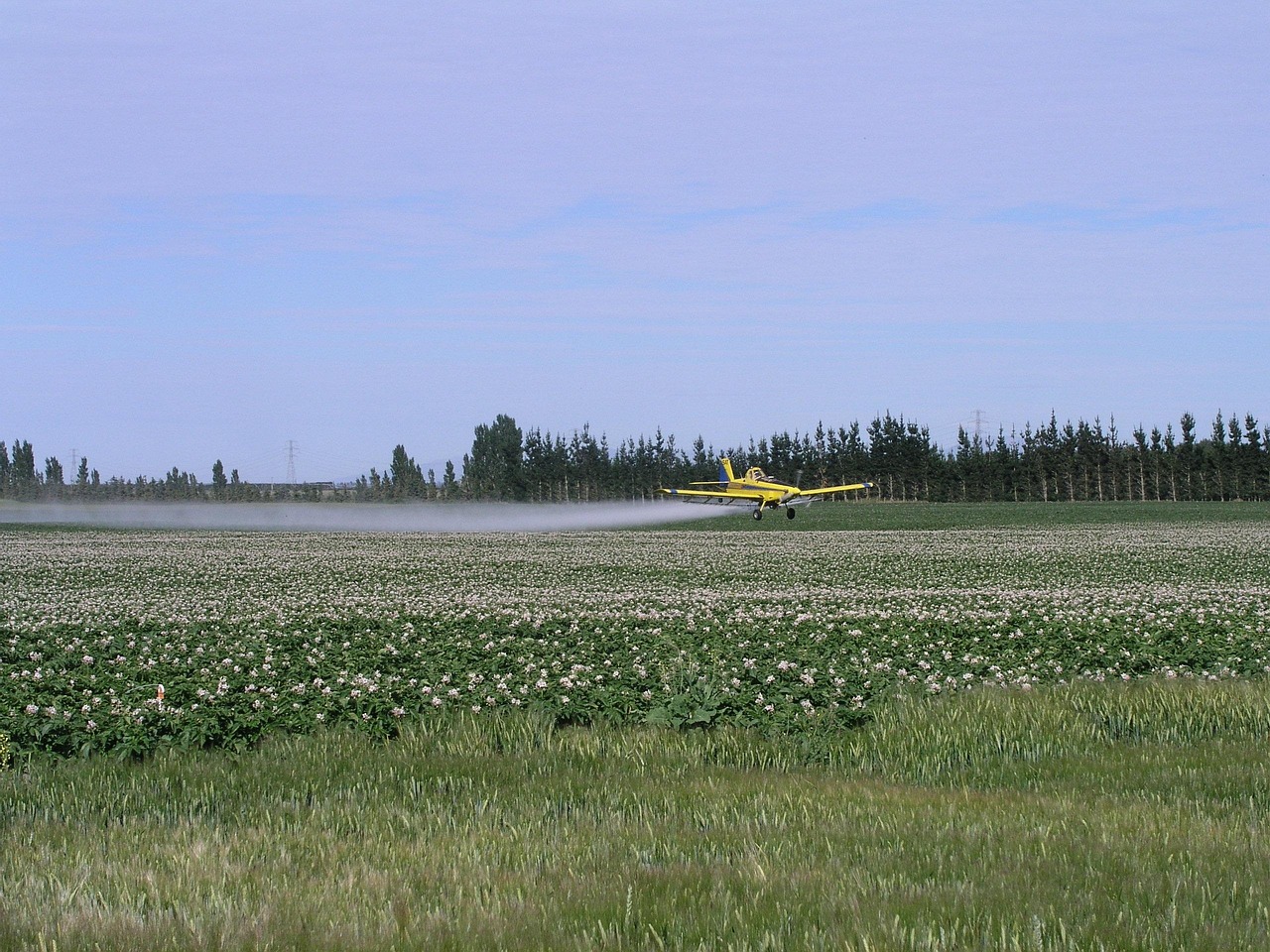
Agricultural practices: Herbicides like glyphosate used in large-scale farming have wiped out milkweed from fields and roadsides.
Urbanization: Expanding cities and suburbs replace wildflower meadows with lawns and concrete.
Roadside management: Mowing and spraying along highways reduce natural milkweed stands.
The decline in milkweed directly limits the monarch population’s ability to breed and sustain itself. Conservation groups now encourage gardeners, schools, and communities to plant milkweed patches to help restore lost habitat.
2. Climate Change
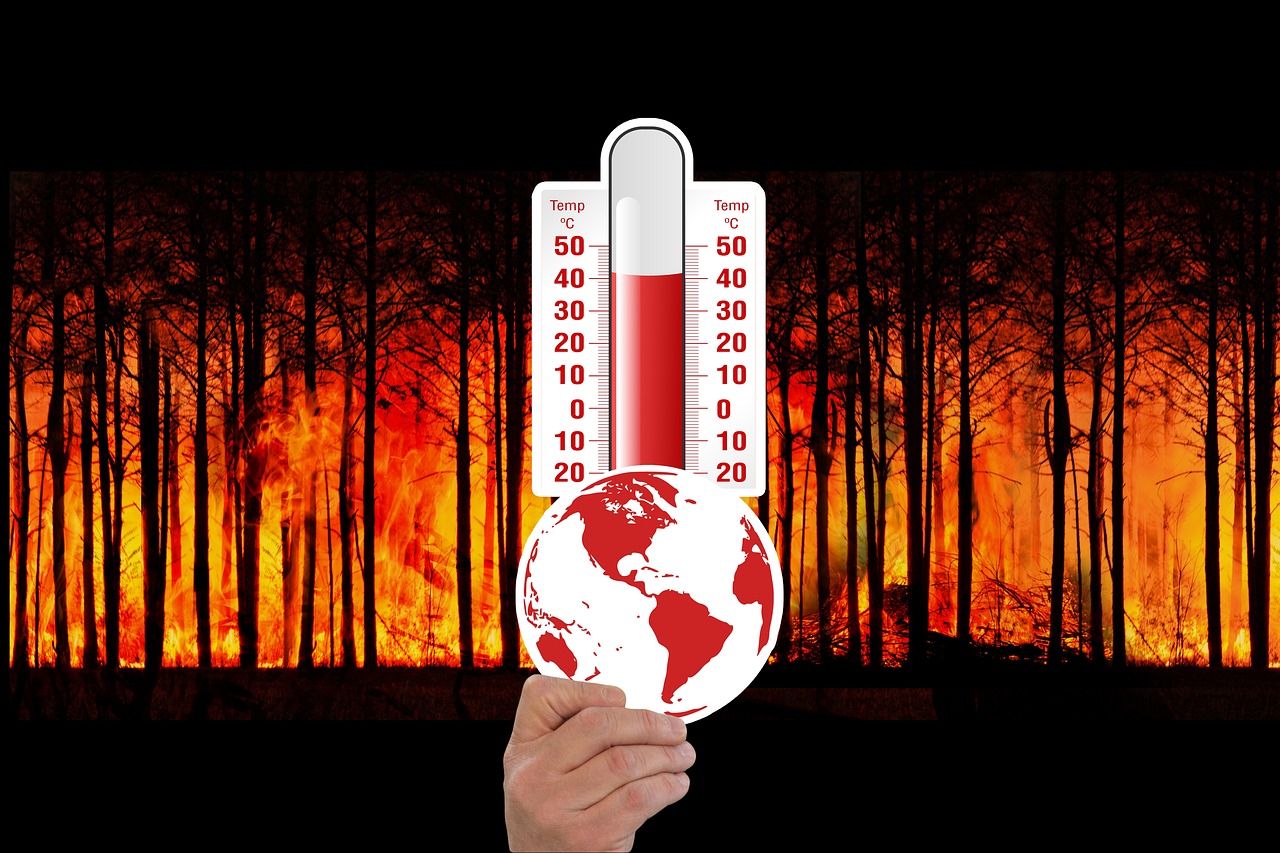
Monarchs are highly sensitive to temperature and seasonal patterns. Climate change disrupts their migration and breeding cycles in several ways:
Extreme weather: Droughts reduce nectar availability, while heavy storms kill butterflies during migration.
Temperature shifts: Warmer winters in Mexico or California can cause monarchs to break dormancy too early, depleting their energy reserves.
Altered bloom times: Flowers may bloom earlier or later, leaving fewer food sources when monarchs need them most.
Climate change creates unpredictable conditions that magnify the other threats monarchs already face.
3. Deforestation of Overwintering Sites
Every year, millions of monarchs migrate to specific overwintering sites: central Mexico for eastern monarchs, and coastal California for western monarchs. These locations provide the cool, stable climates monarchs need to survive the winter months.
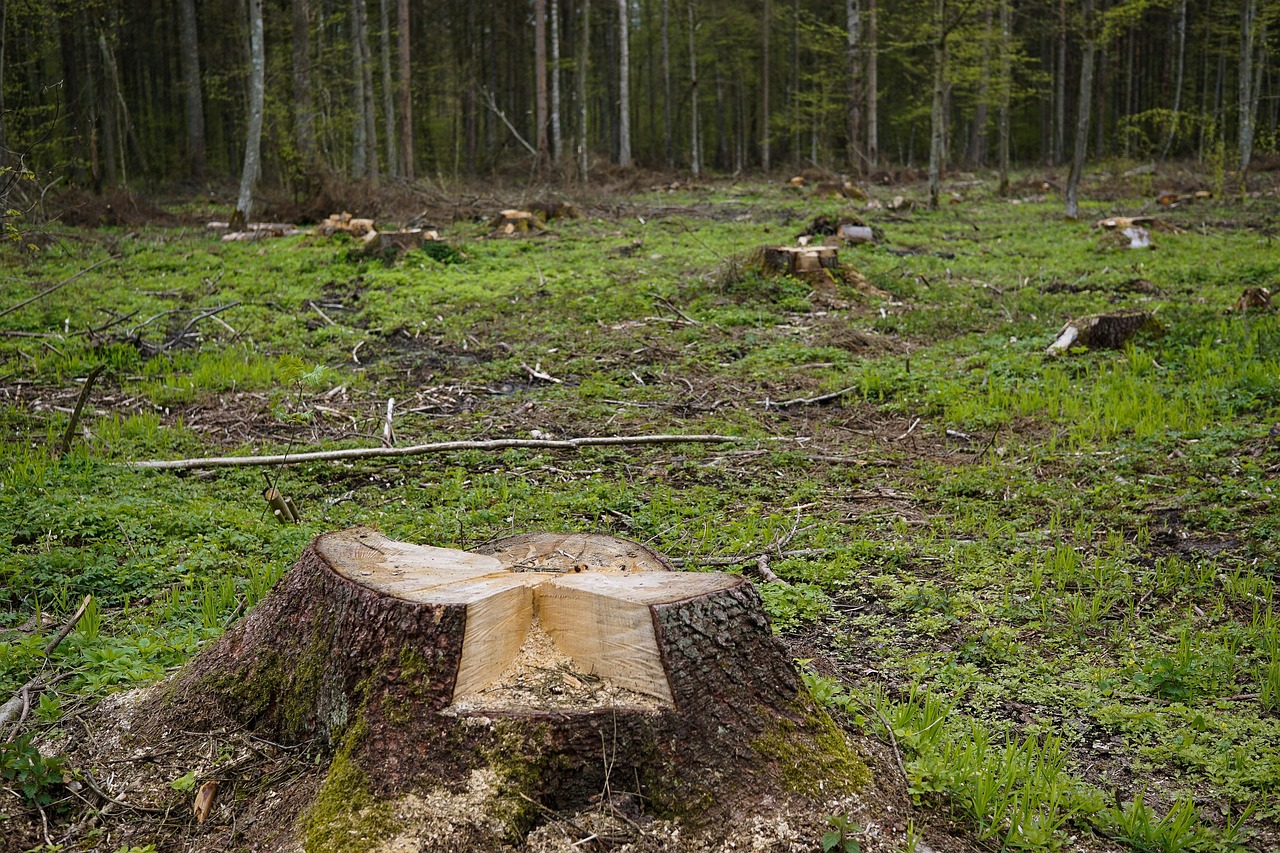
But deforestation, illegal logging, and land development are destroying these critical habitats. In Mexico, the Oyamel fir forests that shelter eastern monarchs have shrunk, reducing the availability of safe roosting sites. In California, urban development and fires have decimated coastal groves of eucalyptus and native trees used by western monarchs.
Without these safe havens, monarchs cannot survive the winter migration cycle.
4. Pesticides and Herbicides
Chemical use in agriculture and landscaping has a direct impact on monarch survival.
Herbicides: Wipe out milkweed, removing the monarch’s only larval host plant.
Pesticides: Kill both caterpillars and adult butterflies. Neonicotinoids, in particular, are known to harm pollinators.
Indirect effects: Pesticides reduce insect biodiversity, meaning fewer food sources for other species that share ecosystems with monarchs.
Gardeners and farmers can reduce the impact by using pollinator-friendly practices, such as planting pesticide-free wildflower strips and reducing chemical spraying.
5. Disease and Parasites
Monarchs also face threats from disease and parasites, such as Ophryocystis elektroscirrha (OE), a protozoan parasite that infects monarchs and weakens their ability to fly and migrate.
While disease naturally occurs in populations, habitat stress and overcrowding can increase the spread of pathogens. Climate change may also expand the ranges of parasites and reduce monarch immunity.
Why It Matters
The decline of monarchs is not just about losing a beautiful butterfly—it’s a warning sign. Monarchs are indicator species, meaning their health reflects the health of ecosystems. If monarchs are in trouble, so are many other pollinators and plants that depend on them. Their loss would ripple through food chains, ecosystems, and agriculture.
What You Can Do to Help
While the problem is large, individuals can make a meaningful difference:
Avoid pesticides and herbicides that harm pollinators.
Support conservation groups working to protect monarch habitats.
Participate in citizen science projects, like tracking monarch migrations.
Advocate for pollinator-friendly policies at local and national levels.
Even small patches of habitat, when multiplied across thousands of homes and communities, create pollinator highways that help monarchs survive.
Conclusion
Monarch butterflies are endangered due to a combination of habitat loss, climate change, deforestation, chemical use, and disease. Their dramatic decline is a reminder of the fragile balance between humans and nature.
But there is hope. Through conservation, habitat restoration, and community action, we can help monarchs recover. Each garden, each milkweed plant, and each voice raised for pollinator protection adds up. By working together, we can ensure that monarch butterflies continue to inspire wonder for generations to come.
Hello, I’m Mindy Russel and I have had a fascination with animals and wildlife since I could talk. I was obsessed with animal toys, posters, and books, and would always be watching the nature channel on TV.
Learning about how animals created a safe space for me growing up, and I felt connected to each one I read about. I have always told anyone who will listen wacky and wonderful facts about wildlife.